Dashavatar — The Ten Descents of Vishnu
"Whenever dharma declines and adharma rises, I manifest myself." It is Krishna's own promise in the Gita, but it is also the oldest pattern in Hindu cosmology — that Vishnu, the preserver, does not watch creation from a distance. He enters it, again and again, in whatever form the crisis demands.
The Guardians of the First Ages
In Satya Yuga, when the world itself was young, Vishnu came four times. As Matsya, a fish, he towed Manu's boat through the flood that ended one cycle of creation. As Kurma, a tortoise, he became the very axis on which gods and demons churned the ocean of milk for amrita. As Varaha, a boar, he plunged into the cosmic waters and raised the drowned earth on his tusks. And as Narasimha — neither man nor beast, neither day nor night, neither indoors nor out — he tore apart the tyrant Hiranyakashipu through the one loophole the demon's own boon had left open.
The Dwarf Who Measured the Sky
As Vamana, a dwarf-Brahmin, Vishnu approached the demon-king Bali and asked for only as much land as he could cover in three steps. Bali, generous to a fault, agreed — and watched the dwarf grow until two steps covered heaven and earth. The third step, gently, Bali offered his own head for, humbled rather than destroyed.
The Age of Warrior-Kings
Treta Yuga brought two Vishnus who lived as men. Parashurama, the axe-wielding sage, walked the earth to correct a warrior class that had forgotten restraint. And Rama, prince of Ayodhya, became the measure of dharma itself — the king every king since has been compared to, and found wanting.
The Cowherd and What Comes After
In Dvapara Yuga, Krishna arrived not as a distant king but as a friend, a lover, a charioteer — divinity that laughed, danced, and still turned the wheel of a war it did not fight directly. Tradition places Buddha as the ninth avatar in many later lists, teaching compassion to an age tightening around ritual without meaning.
The One Still to Come
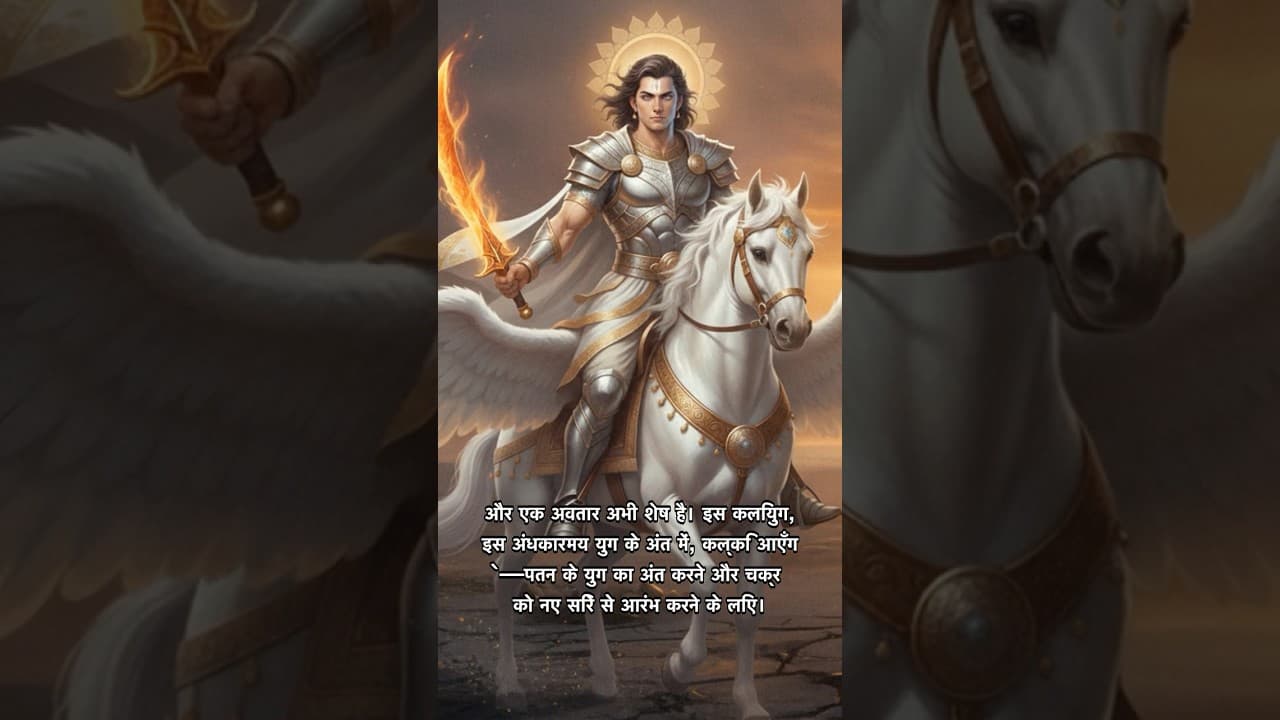
And in this Kali Yuga — the iron age we stand in now — the tenth has not yet arrived. Kalki is prophesied to come at the age's end, riding a white horse with a blazing sword, not to preserve the world as it is but to end it cleanly, so a new Satya Yuga can begin.
Ten avatars, four ages, one promise repeated: dharma is never left undefended for long.
Related Stories
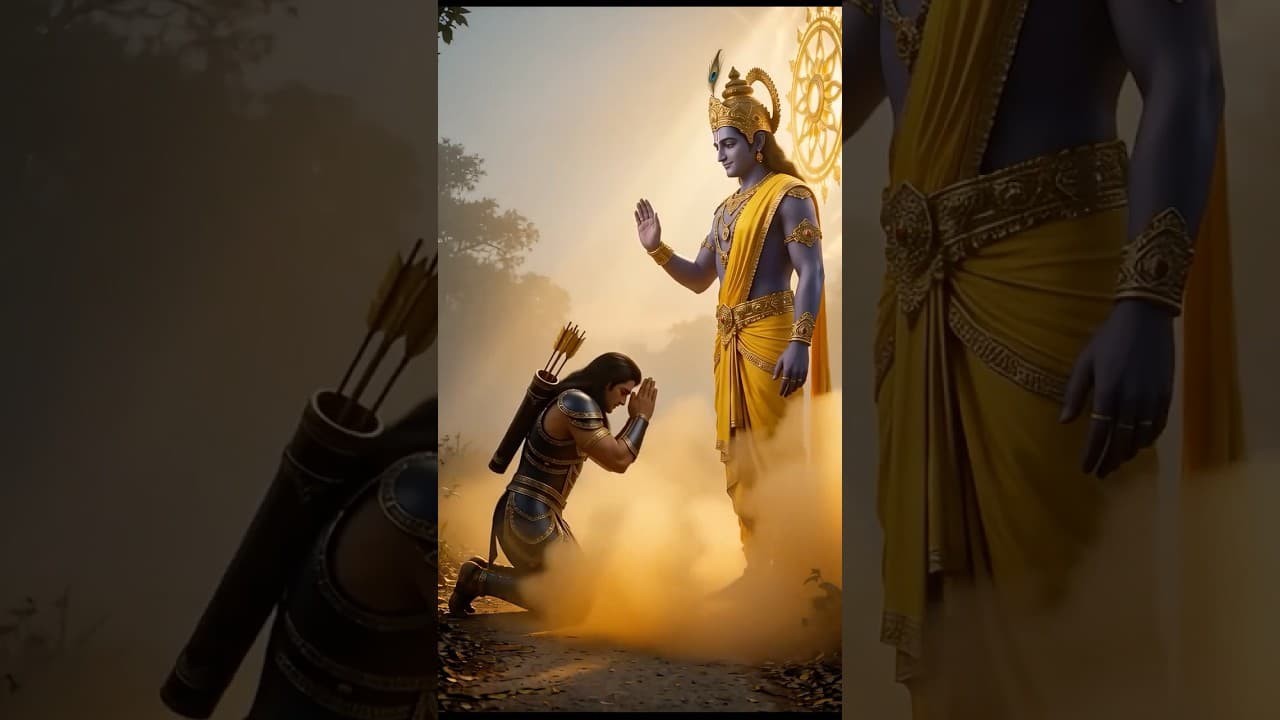
Barbarik — The Warrior Who Could End the War in One Minute
Three arrows. One vow. The grandson of Bhima was powerful enough to finish the Mahabharata war alone — so why did Krishna ask for his head before the first arrow flew?
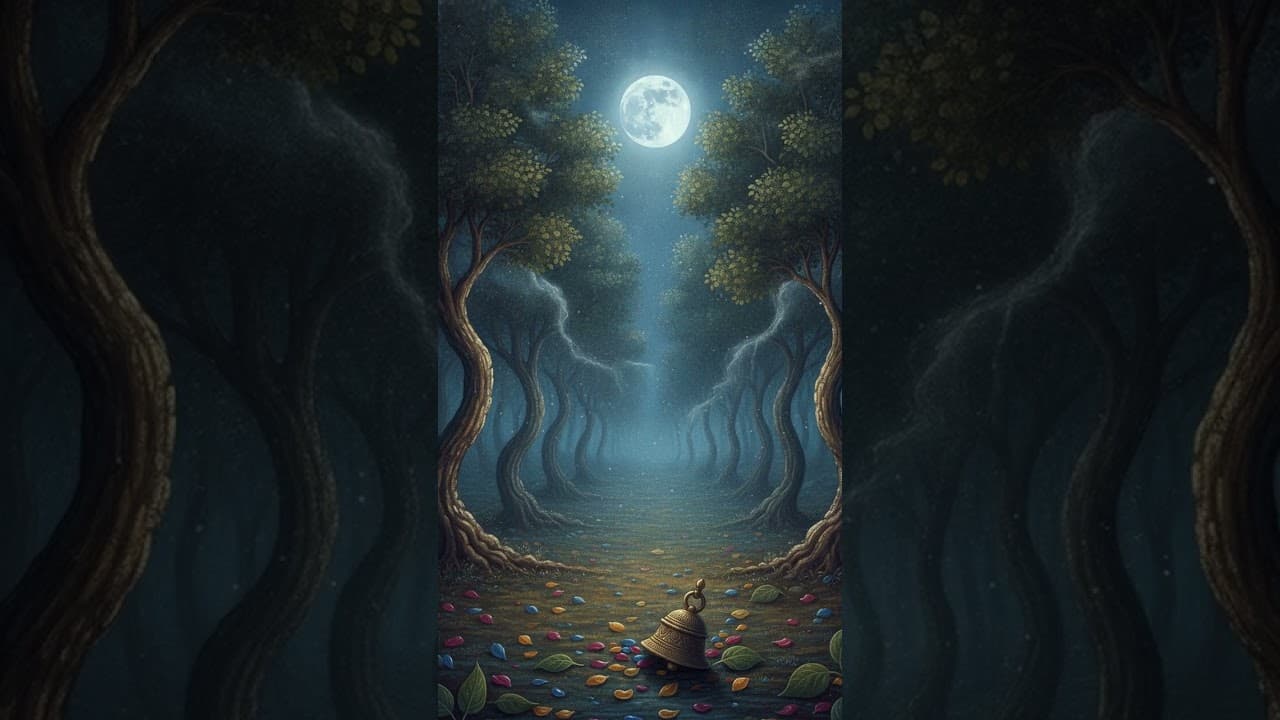
Nidhivan — The Forest That Must Be Empty by Nightfall
Every evening, the gates of a small forest in Vrindavan are locked from the outside. Even the monkeys leave. Because after dark, they say, Krishna still dances here — and no one who watches survives with their senses.
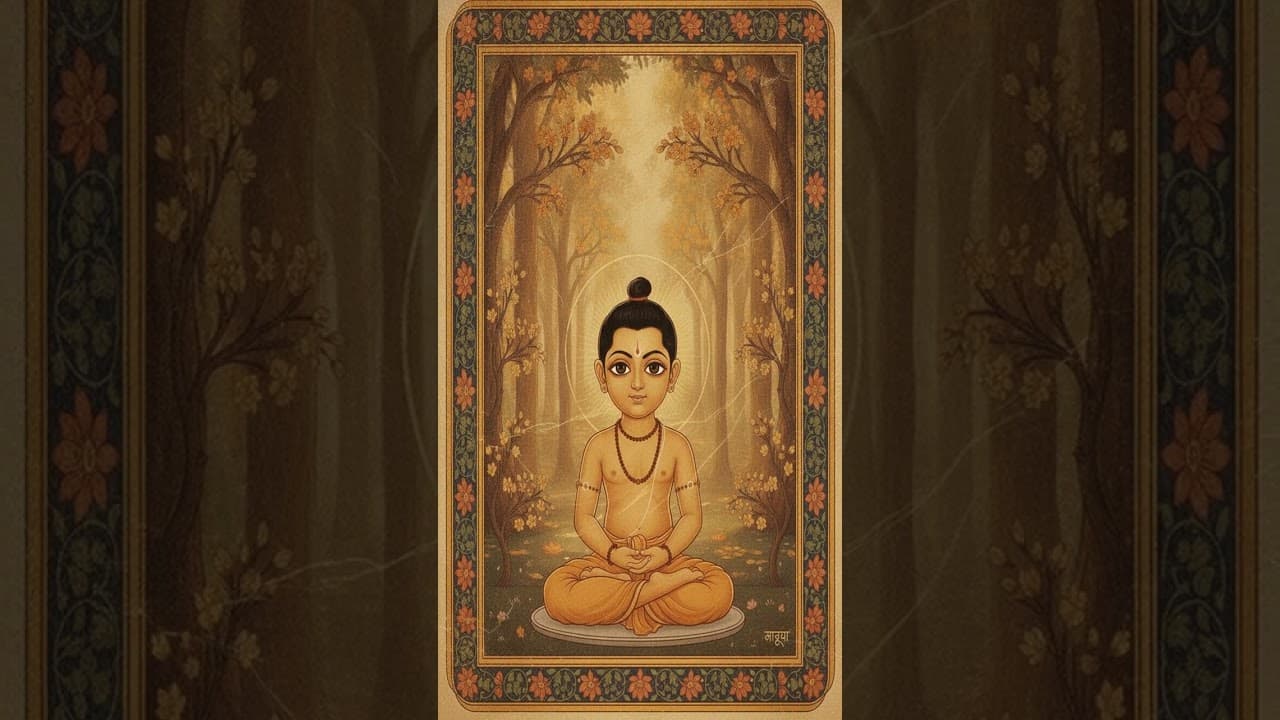
Madhuvan — The Forest Older Than Mathura Itself
Before Mathura had a name, there was a forest of honey. A five-year-old prince stood here on one leg until the heavens trembled, a demon fell here to Ram's youngest brother — and ages later, Krishna grazed his cows over the same sacred ground.
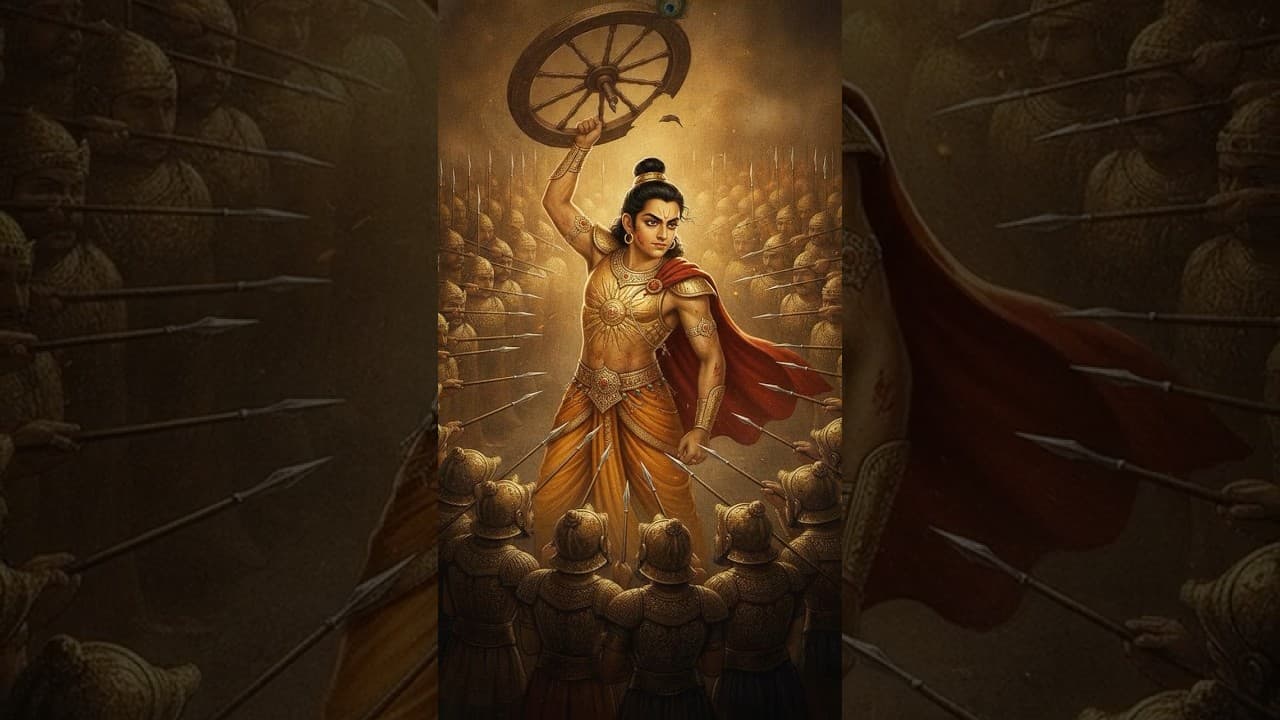
Abhimanyu — The Boy Who Learned Half the Secret in the Womb
He heard the way into the deadliest battle formation ever devised while still unborn — but his mother fell asleep before the way out was told. On the thirteenth day of Kurukshetra, a sixteen-year-old walked into that trap knowingly, alone.
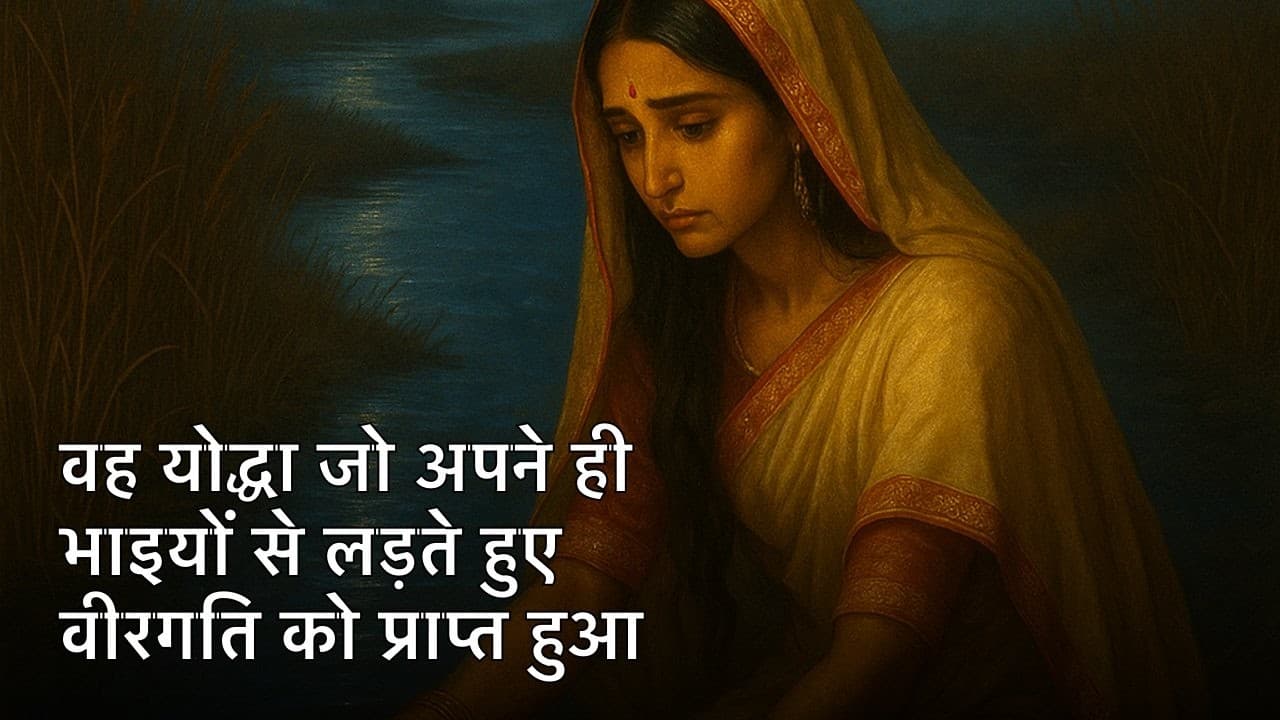
Karna — The Sun's Son Who Chose Loyalty Over Blood
Born of a boon and abandoned to a river, raised by a charioteer, cursed by his own guru — Karna's entire life was a test of whether greatness needs anyone's permission.
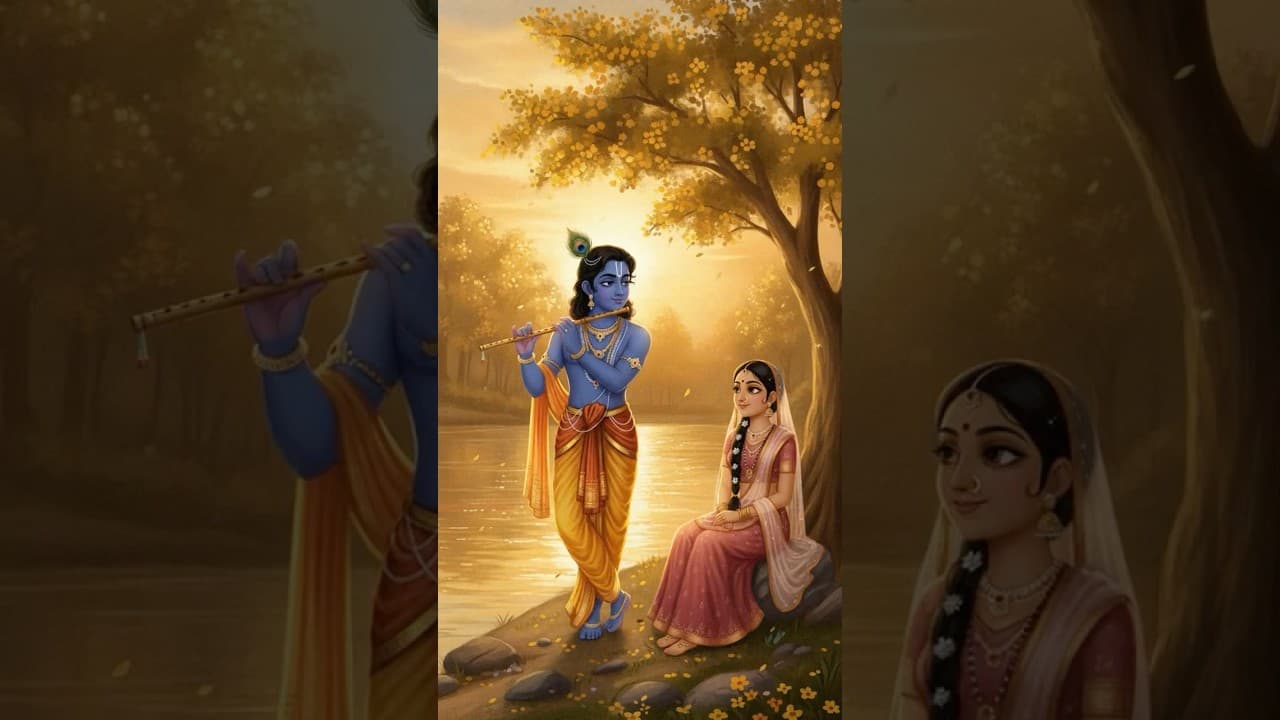
Why Krishna Never Married Radha
If Radha loved Krishna more than anyone ever has, why did he leave for Mathura and marry Rukmini instead? The answer bhakti tradition gives isn't a tragedy — it's the point.