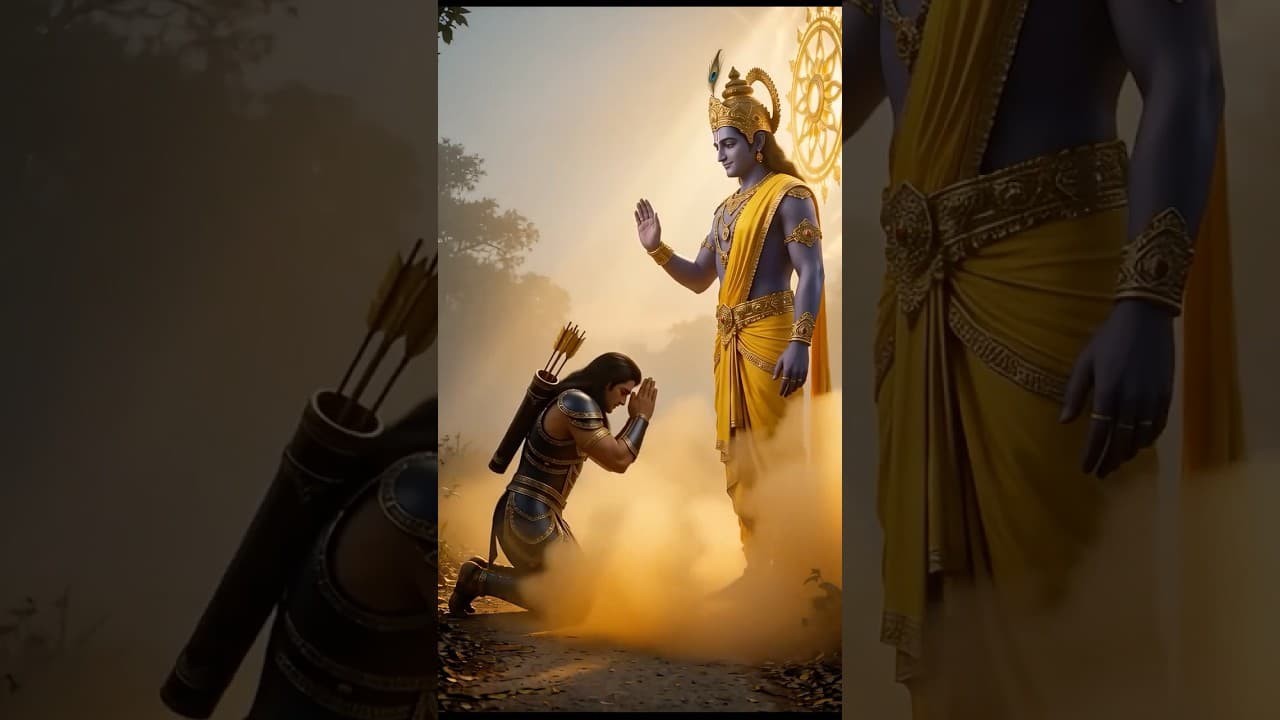
Barbarik — The Warrior Who Could End the War in One Minute
Before the conches of Kurukshetra sounded, a young warrior rode toward the battlefield on a blue horse. His name was Barbarik, grandson of Bhima, and he carried a quiver holding only three arrows.
They were enough to end the war in one minute.
The Three Arrows
Granted by the gods after years of fierce penance, the arrows obeyed impossible laws. The first would mark everything Barbarik wished to destroy. The second would mark everything he wished to save. The third would annihilate all that was marked — and return to his quiver.
When Krishna, disguised as a Brahmin, challenged him to prove it, Barbarik tied a single arrow to a peepal tree's leaf. The arrow pierced every leaf on the tree — then hovered over Krishna's foot, beneath which one last leaf lay hidden.
The Vow That Doomed Him
Barbarik had sworn a warrior's vow: he would always fight on the losing side. Krishna saw the paradox at once. The moment Barbarik joined the weaker army, it would become the stronger — forcing him to switch sides, and switch again, until he alone remained standing over the ashes of both armies.
The First Offering
So the disguised Krishna asked the greatest warrior alive for the ultimate charity — his own head. Barbarik recognized the Lord, bowed, and gave it with a smile, asking only one boon: to watch the great war to its end.
Krishna placed the head atop a hill overlooking Kurukshetra. When the war ended and the victors argued over whose valor had won it, the head laughed from the hilltop: "I saw only one thing — Krishna's discus, spinning through it all."
Krishna blessed him: in Kali Yuga, Barbarik would be worshipped by Krishna's own name — Shyam. Today, millions call on him at Khatu in Rajasthan as Khatu Shyam Ji, the god of the defeated, the refuge of those who have lost everything.
Related Stories
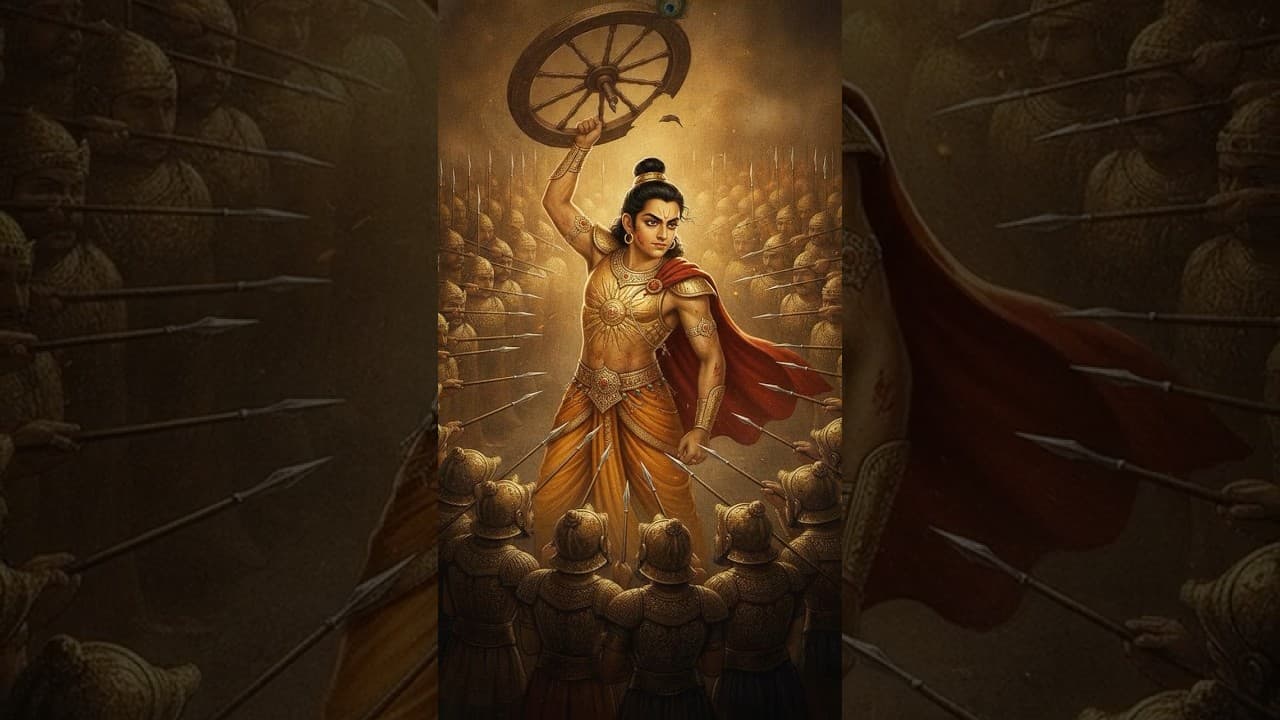
Abhimanyu — The Boy Who Learned Half the Secret in the Womb
He heard the way into the deadliest battle formation ever devised while still unborn — but his mother fell asleep before the way out was told. On the thirteenth day of Kurukshetra, a sixteen-year-old walked into that trap knowingly, alone.
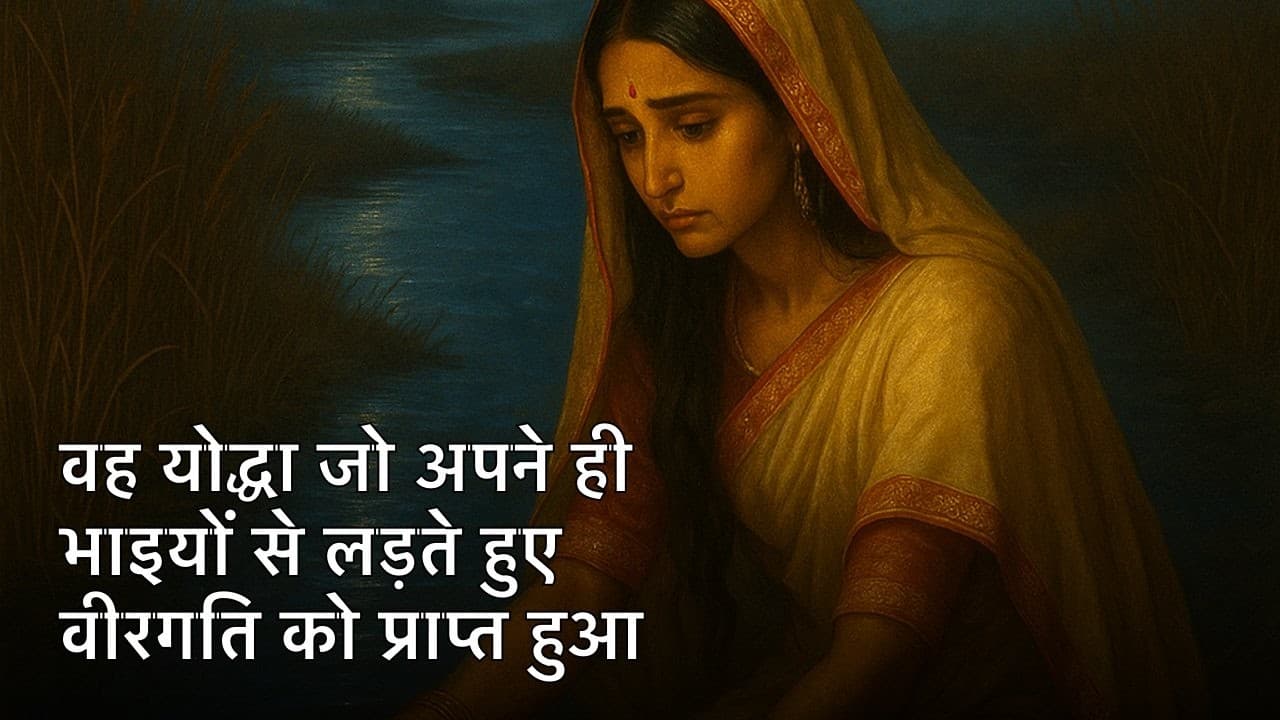
Karna — The Sun's Son Who Chose Loyalty Over Blood
Born of a boon and abandoned to a river, raised by a charioteer, cursed by his own guru — Karna's entire life was a test of whether greatness needs anyone's permission.
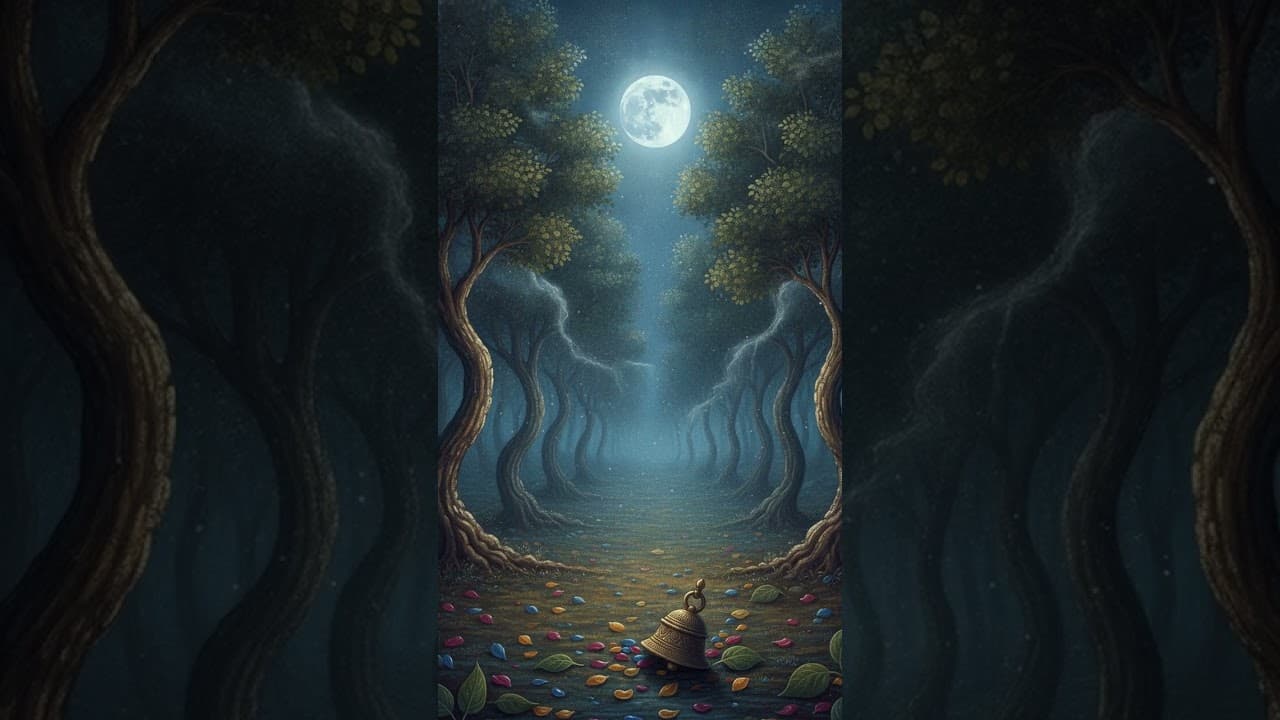
Nidhivan — The Forest That Must Be Empty by Nightfall
Every evening, the gates of a small forest in Vrindavan are locked from the outside. Even the monkeys leave. Because after dark, they say, Krishna still dances here — and no one who watches survives with their senses.
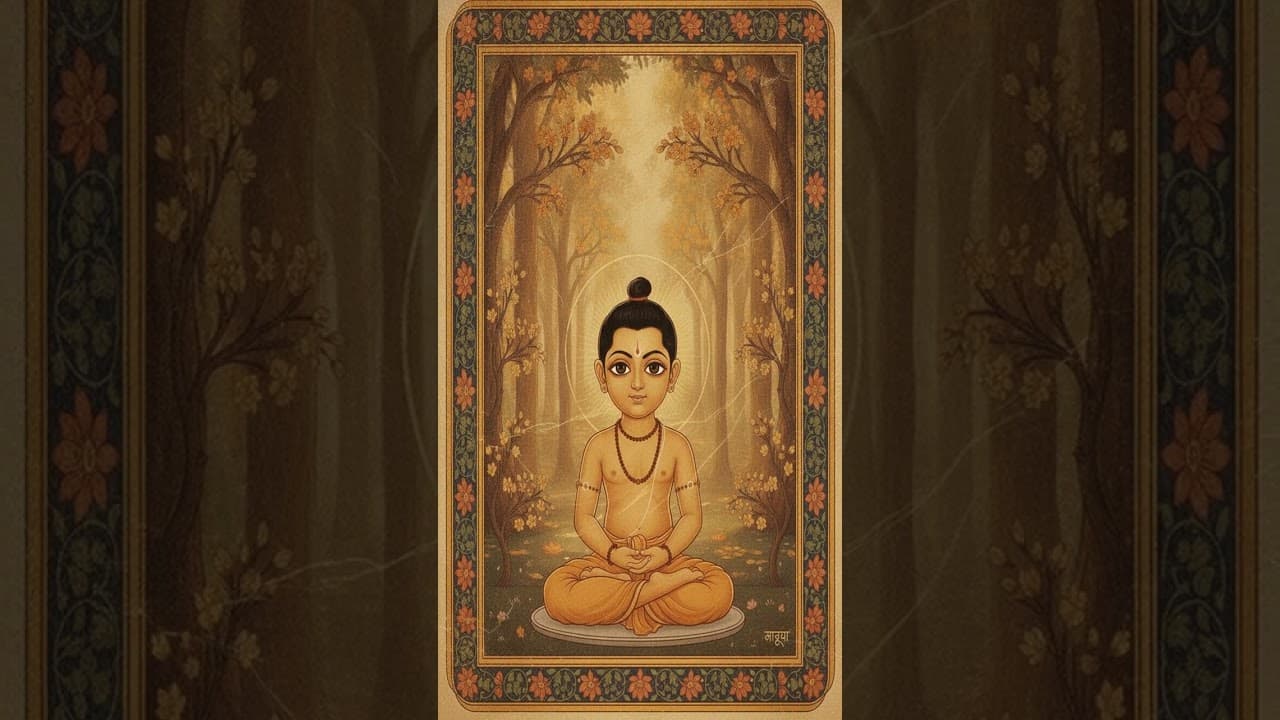
Madhuvan — The Forest Older Than Mathura Itself
Before Mathura had a name, there was a forest of honey. A five-year-old prince stood here on one leg until the heavens trembled, a demon fell here to Ram's youngest brother — and ages later, Krishna grazed his cows over the same sacred ground.
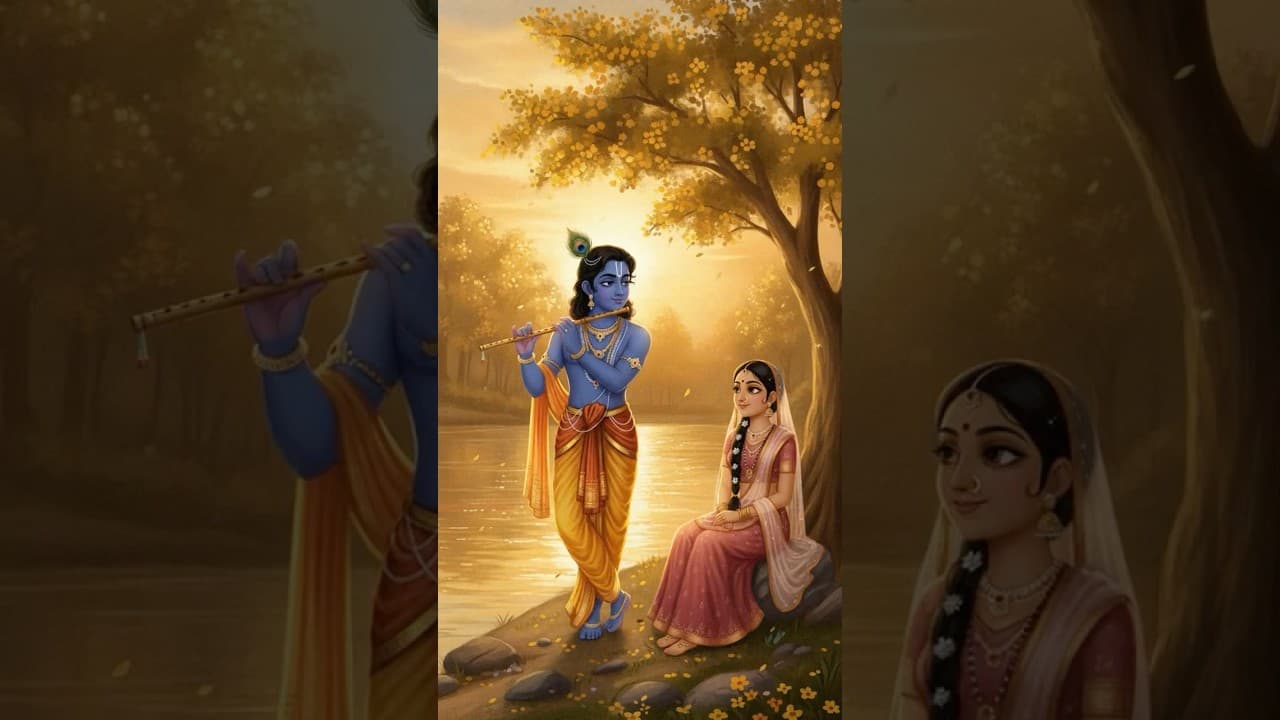
Why Krishna Never Married Radha
If Radha loved Krishna more than anyone ever has, why did he leave for Mathura and marry Rukmini instead? The answer bhakti tradition gives isn't a tragedy — it's the point.
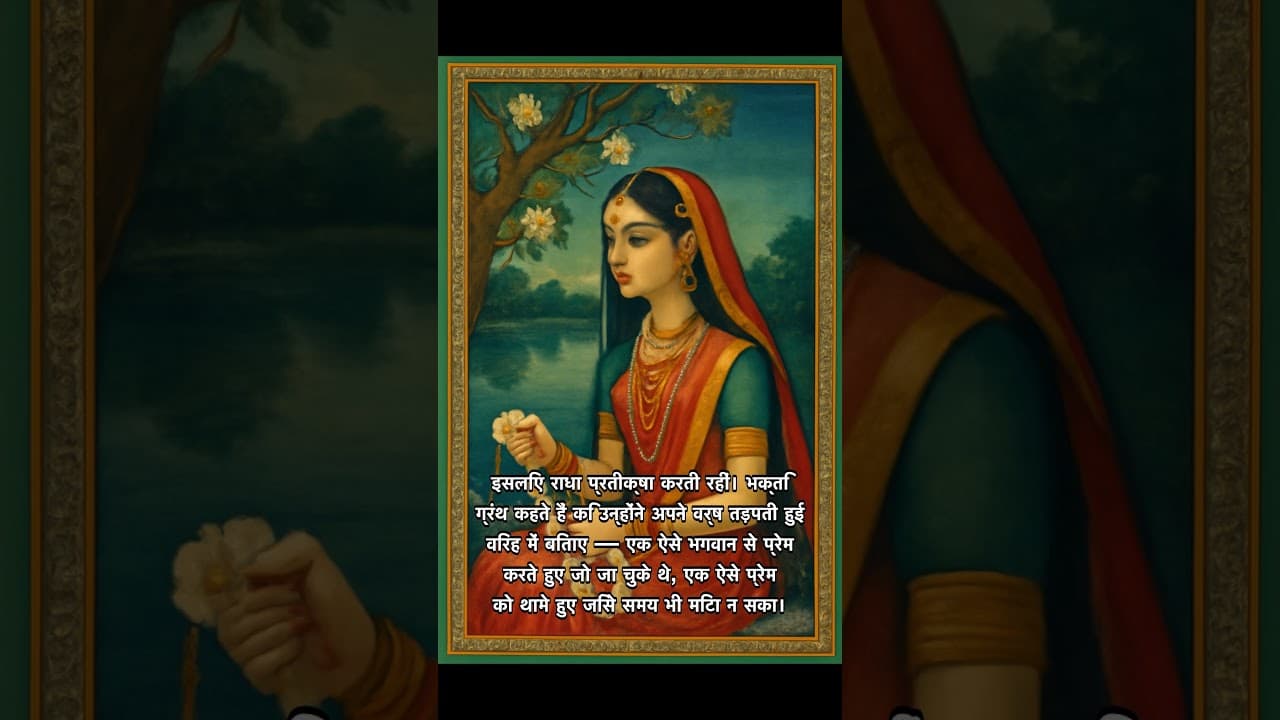
What Happened to Radha After Krishna Left
He rode away to Mathura and never came back to Vrindavan. Tradition says Radha spent the rest of her life waiting — and that the two were only ever truly reunited in her final breath.