An Anthology of Eternal Stories
The Legends of India… Like Never Before
Experience hyper-cinematic stories from the Ramayana, Mahabharata, Puranas, and India's forgotten history.
Featured Stories
···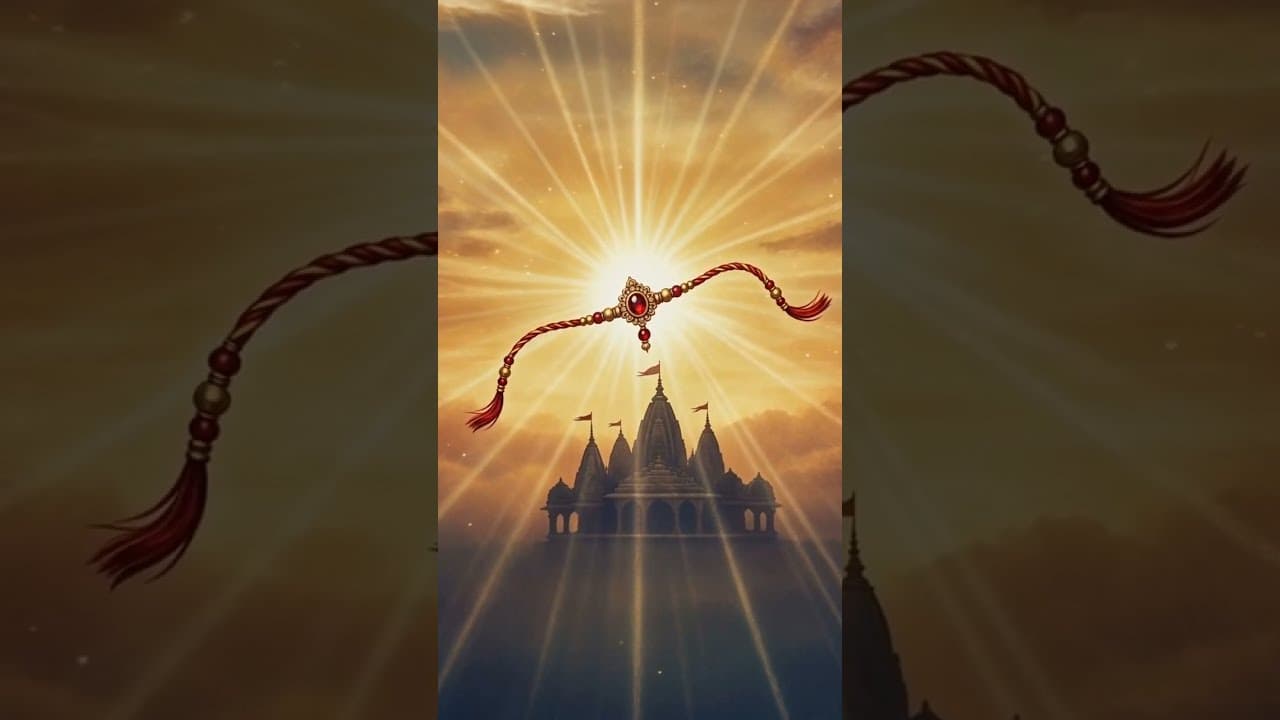
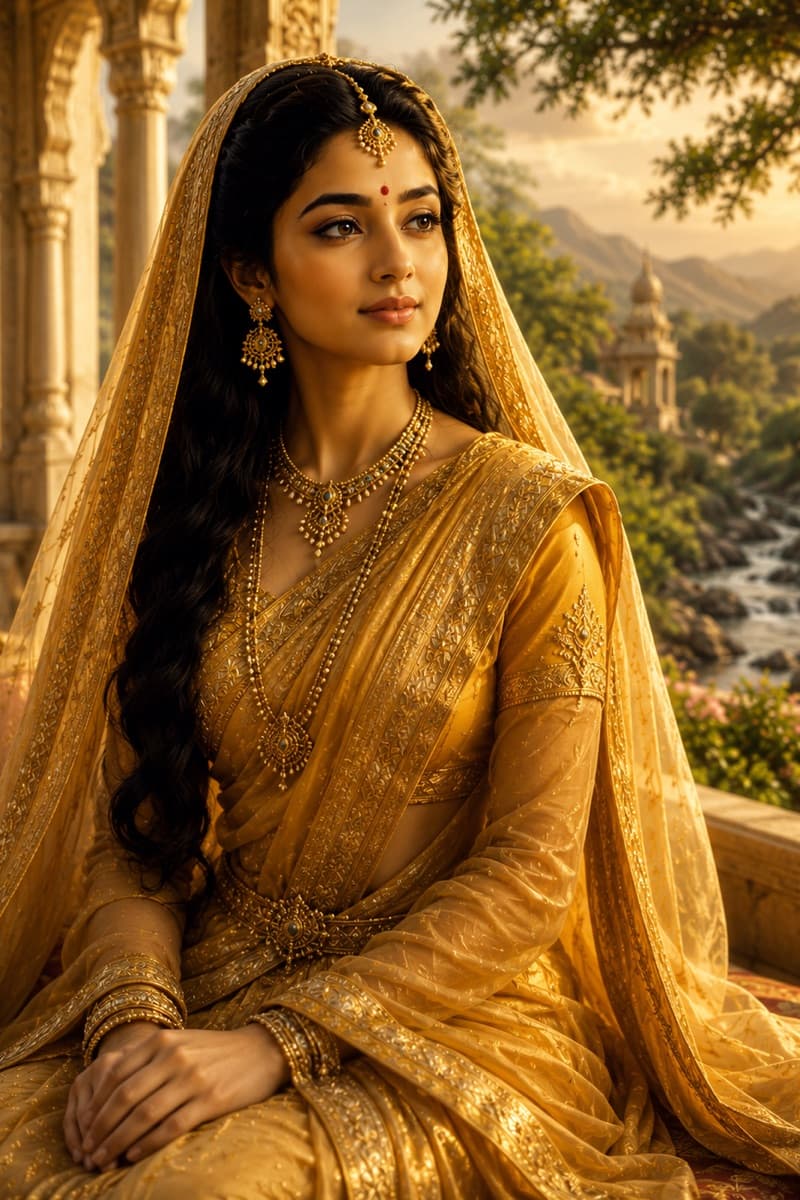
The Rakhi That Freed Vishnu — Lakshmi and King Bali
Bali kept his word so perfectly that Vishnu himself agreed to stand guard at his door — and would not come home. It took a goddess in disguise, and a single thread tied on a stranger's wrist, to bring him back.
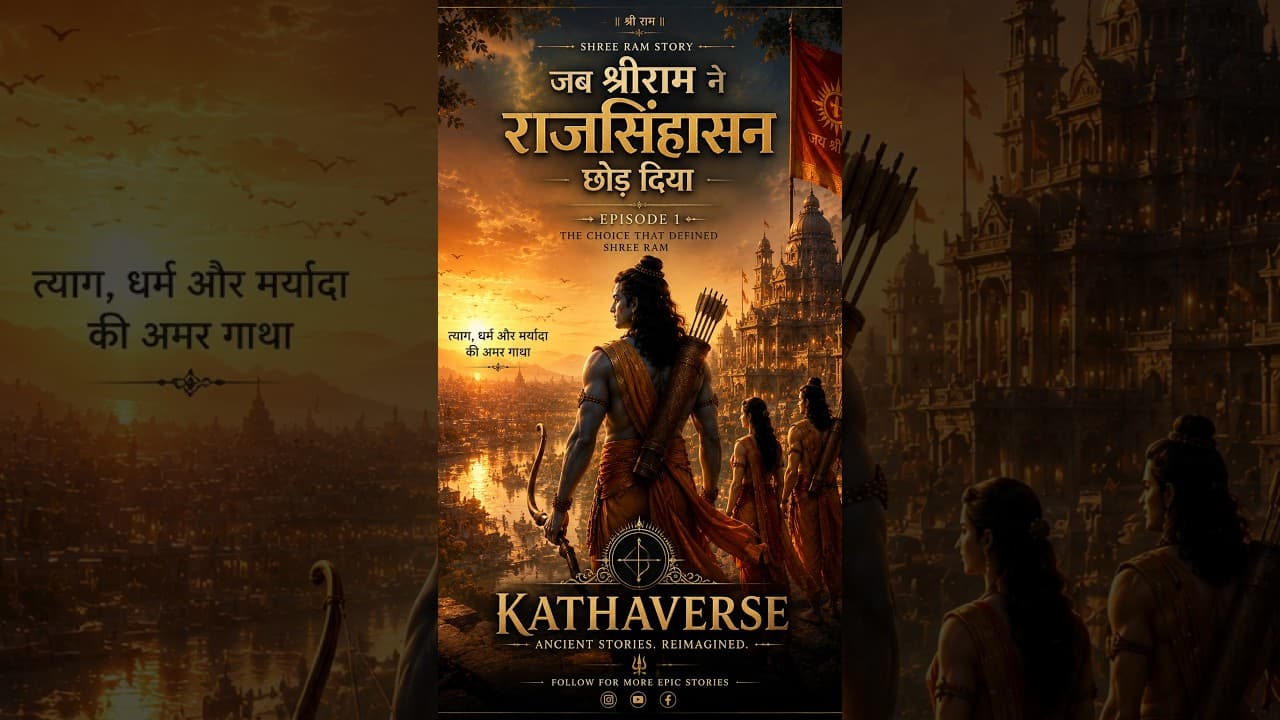
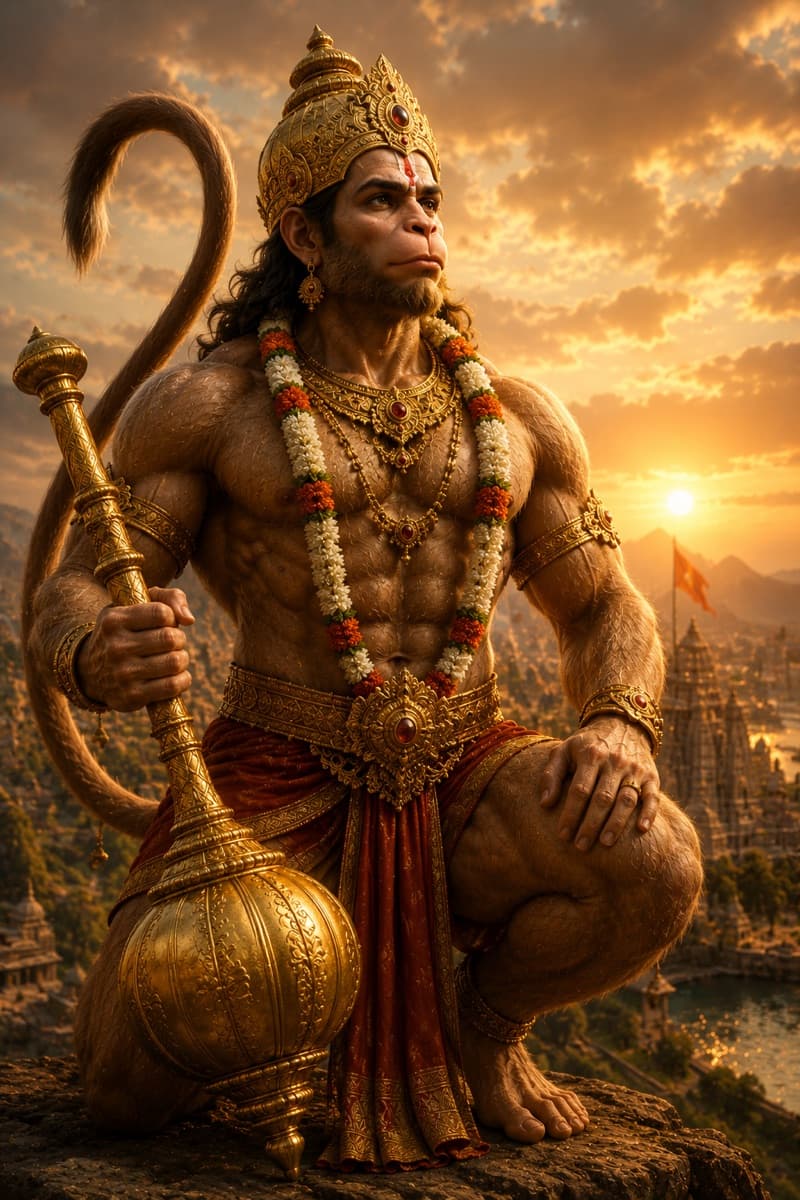
Ram Vanvas — The Night a Kingdom's Heart Walked Into the Forest
On the eve of his coronation, the crown prince of Ayodhya was handed fourteen years of exile instead of a throne — by two words his father had promised long ago. He smiled, bowed, and walked out barefoot. The city followed him weeping.
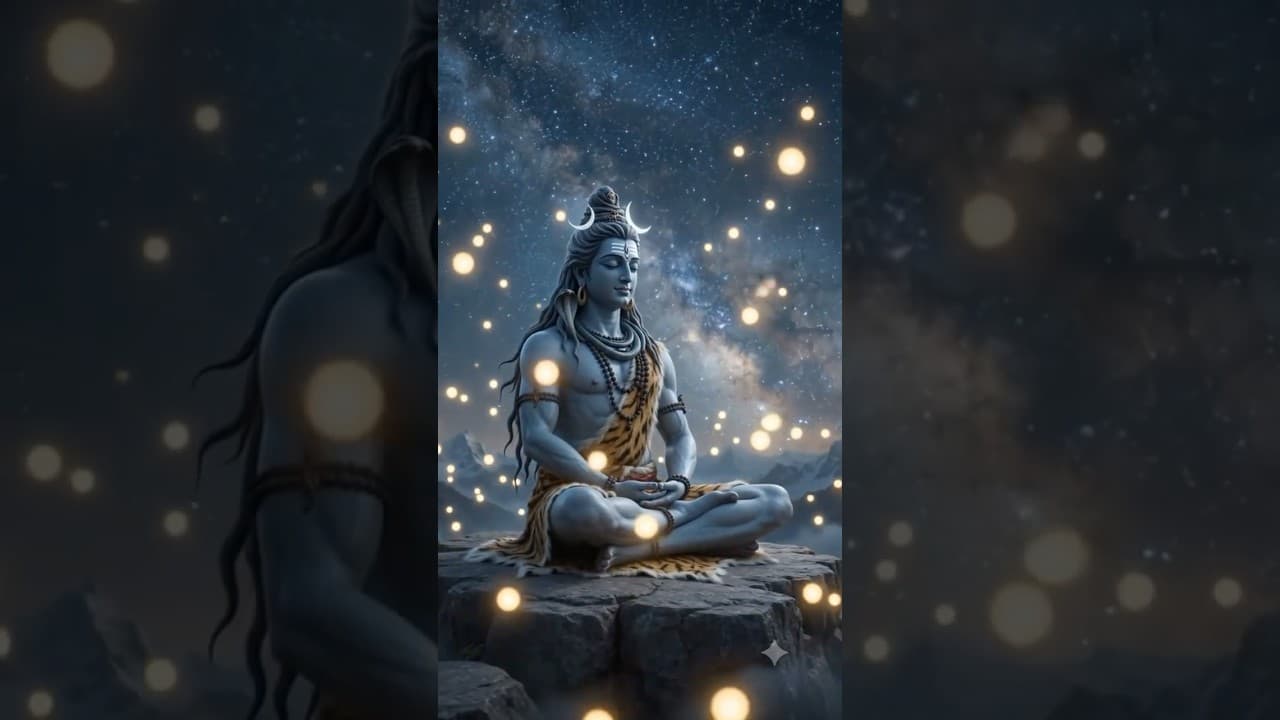
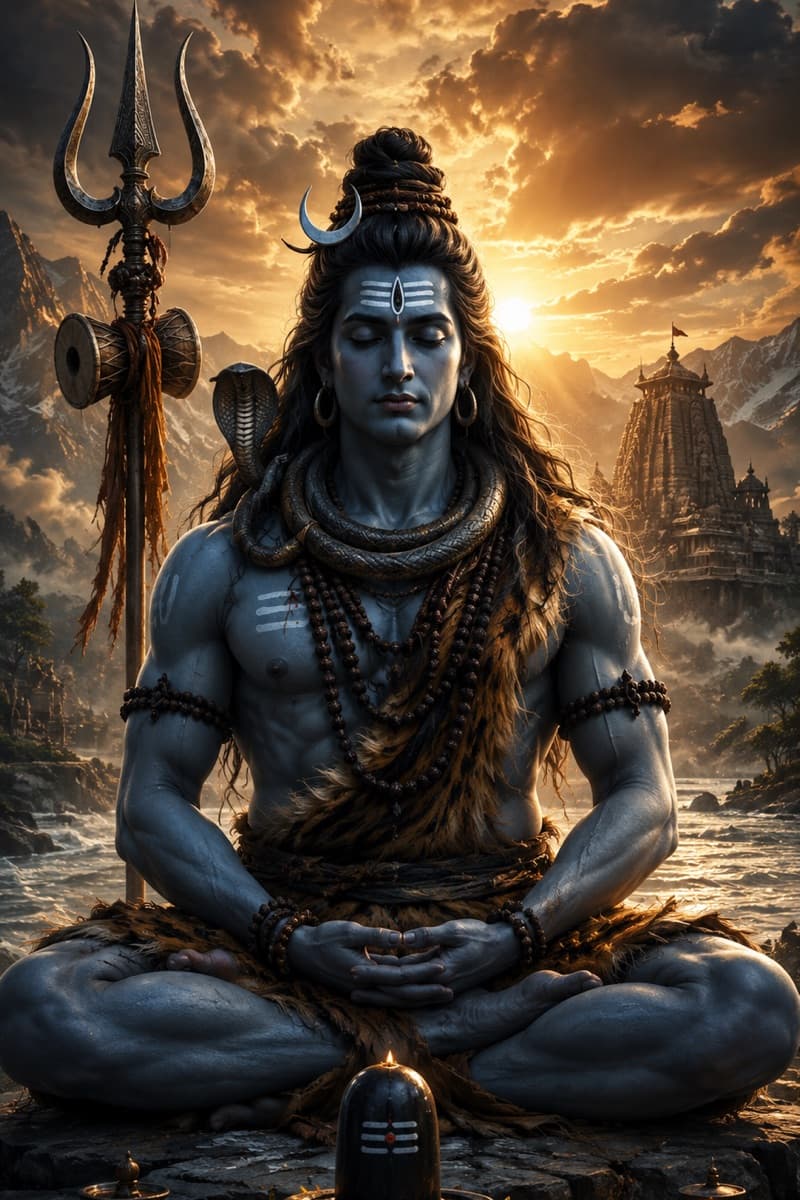
Why Mahadev Lives in the Cremation Ground
Every other god was given a palace. Shiva chose the one place the entire world runs away from — and made it the seat of the highest knowledge there is.
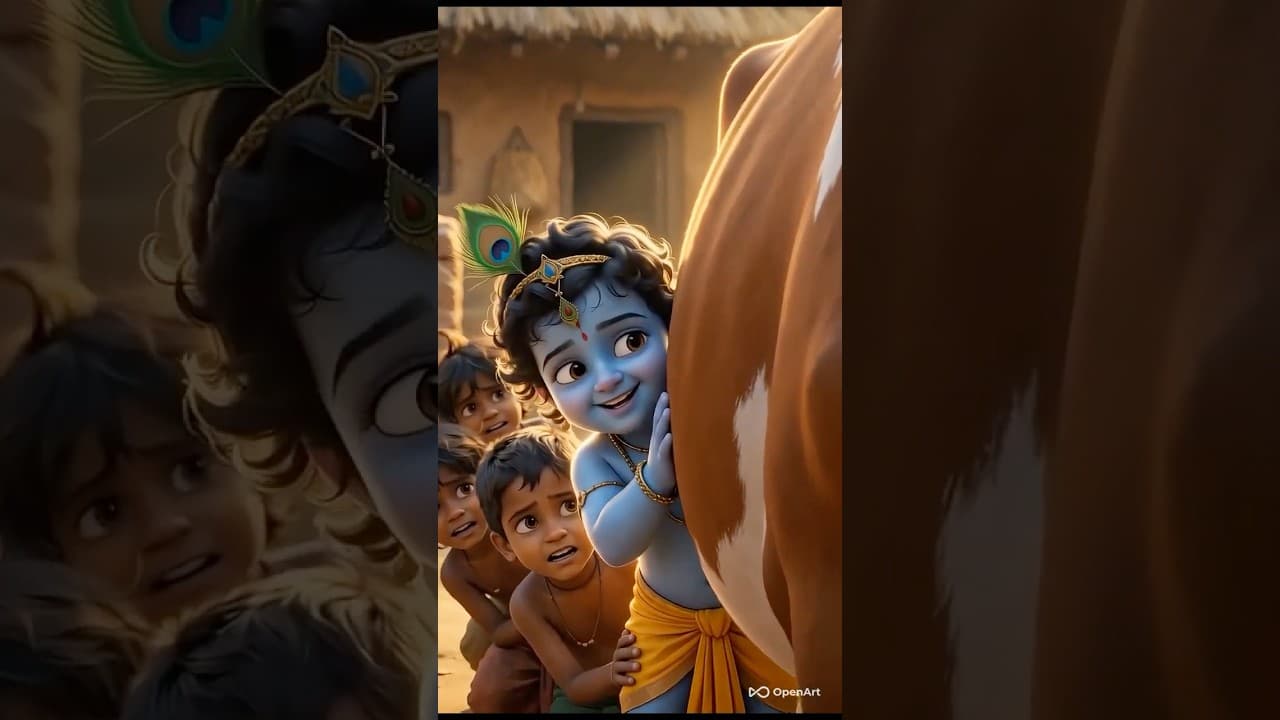
Maiya, Maine Nahi Khaya — The Little Krishna Who Could Not Be Caught
The butter was stolen, the friends were still laughing, and Mother Yashoda was already at the door. Caught with the evidence on his own face, Kanha did the only thing a small god could do — he pointed at the monkeys.
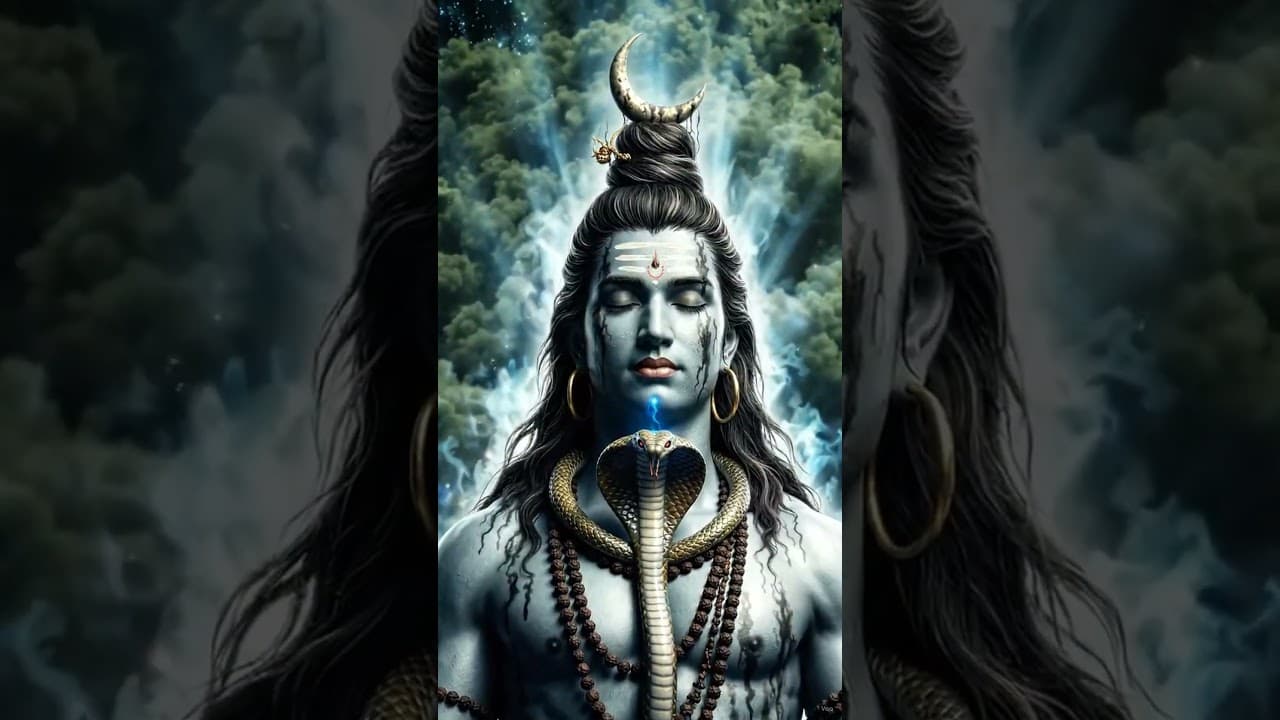
Neelkanth — The Night Mahadev Drank the Poison
The devas and the asuras churned the ocean for the nectar of immortality, and the first thing it gave them was death. Only one being in all of creation stepped forward to swallow it — and held it in his throat forever.
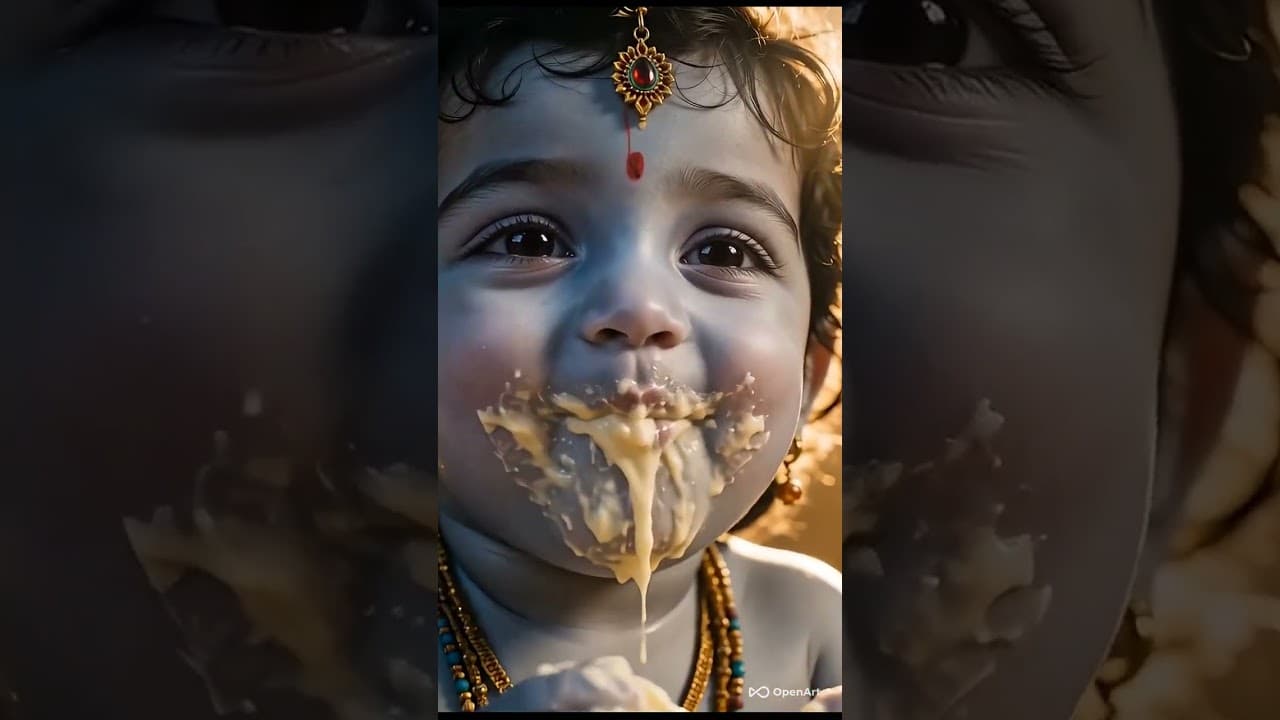
Balgopal — The Little Butter Thief
A mischievous smile, hands sticky with butter, and eyes holding all the world's innocence — the small thefts of baby Krishna were never really about the makhan at all.
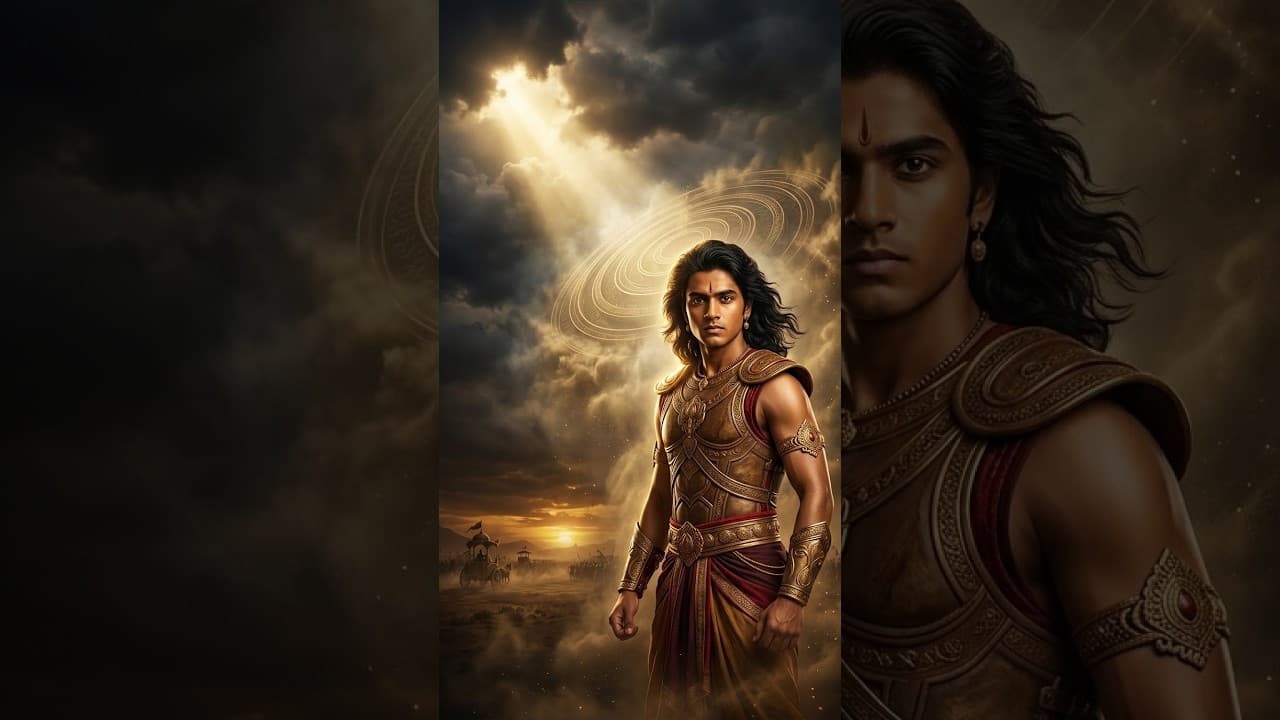
Abhimanyu — The Courage to Enter What You Cannot Yet Escape
He knew how to enter the Chakravyuha. He had never learned how to leave it. He walked in anyway — because courage was never about knowing you'd win.
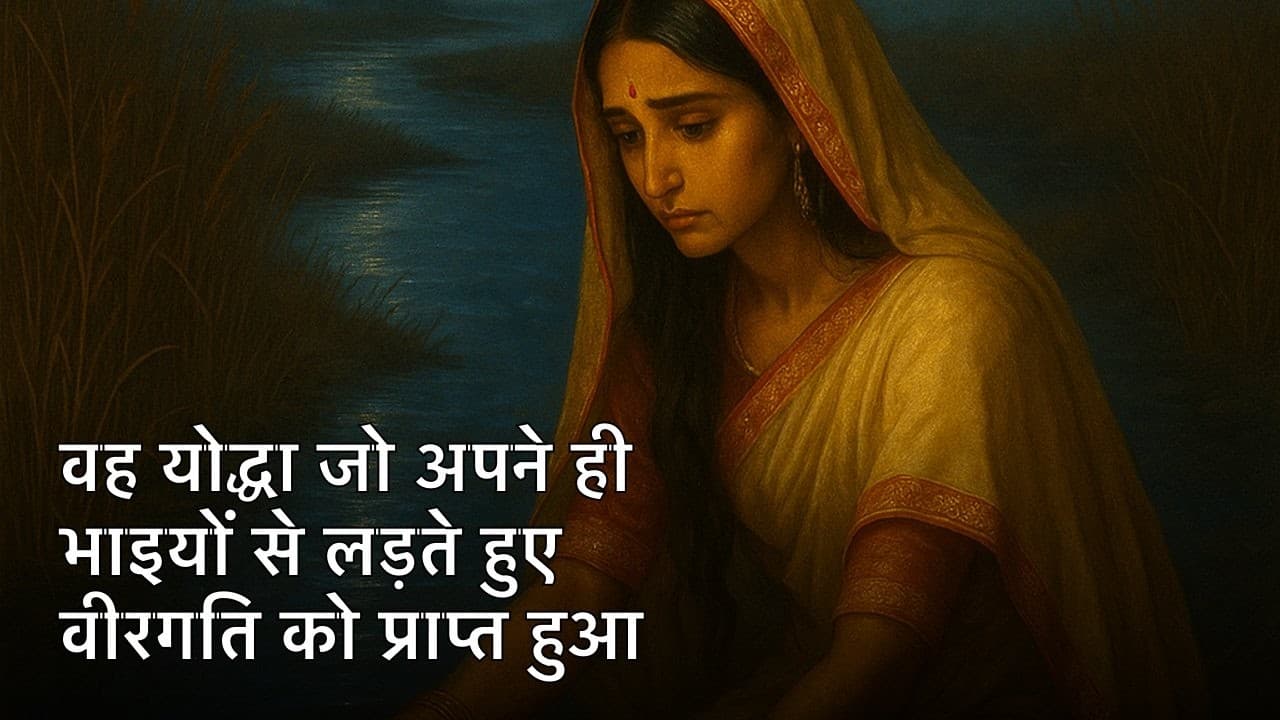
Karna — The Sun's Son Who Chose Loyalty Over Blood
Born of a boon and abandoned to a river, raised by a charioteer, cursed by his own guru — Karna's entire life was a test of whether greatness needs anyone's permission.
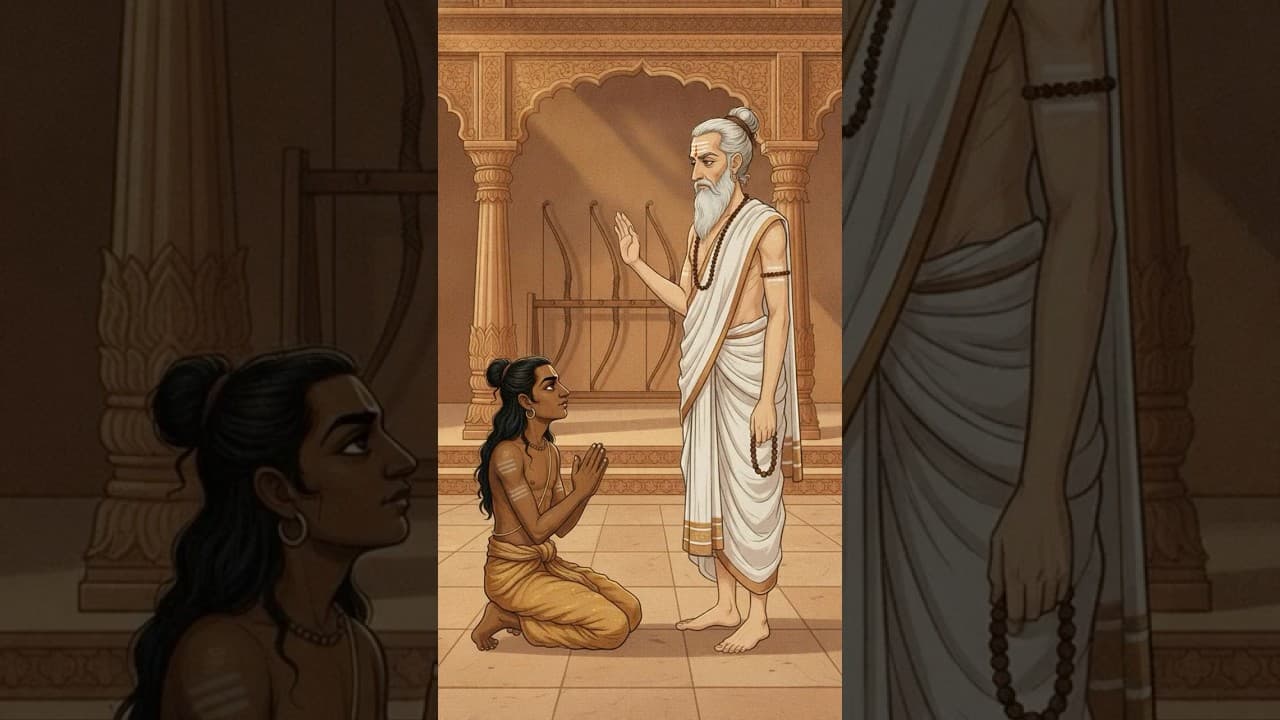
Eklavya — The Thumb Taken as Guru-Dakshina
A tribal boy turned away from Dronacharya's gate taught himself archery before a clay idol — and became greater than Arjuna. Then his guru asked for the one thing that would end it all.
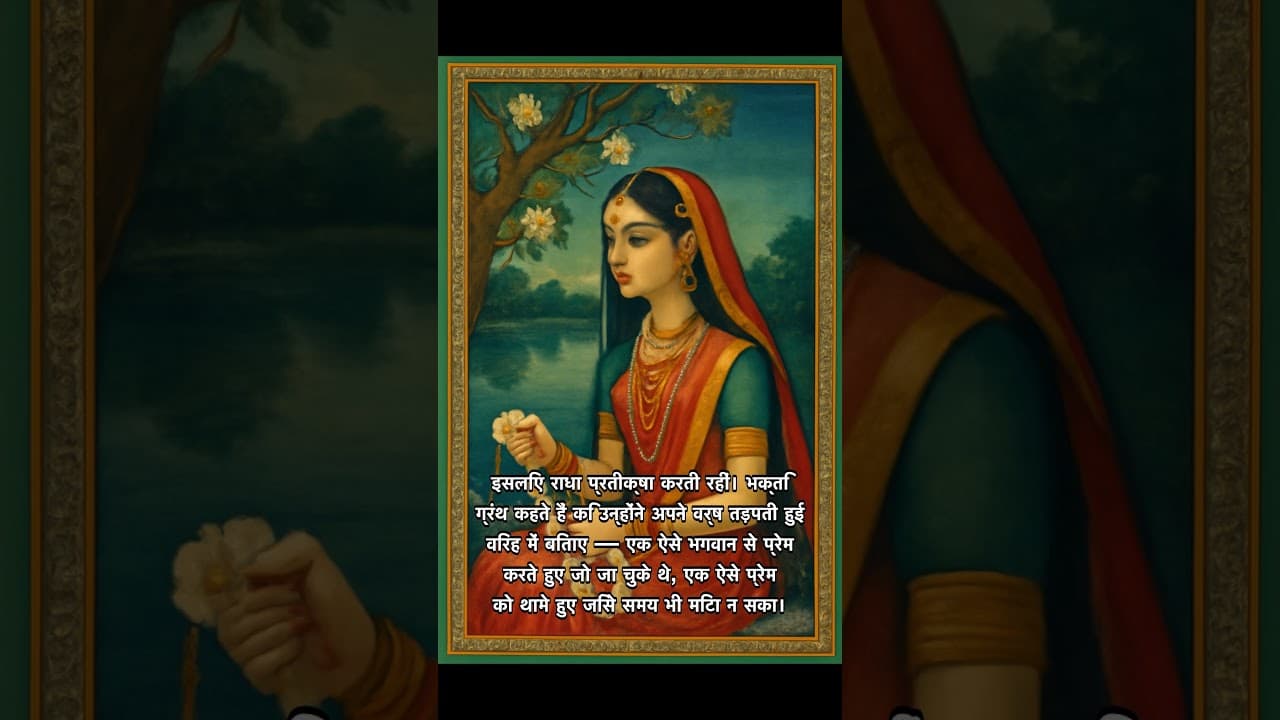
What Happened to Radha After Krishna Left
He rode away to Mathura and never came back to Vrindavan. Tradition says Radha spent the rest of her life waiting — and that the two were only ever truly reunited in her final breath.
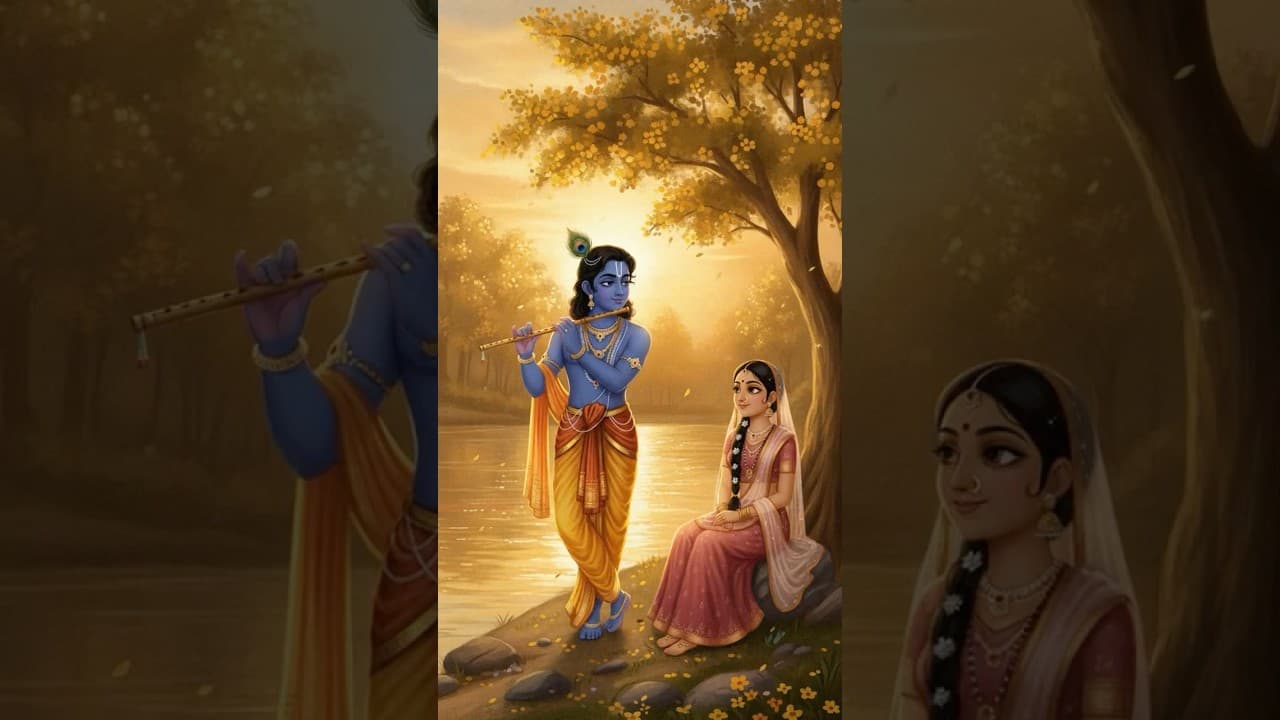
Why Krishna Never Married Radha
If Radha loved Krishna more than anyone ever has, why did he leave for Mathura and marry Rukmini instead? The answer bhakti tradition gives isn't a tragedy — it's the point.
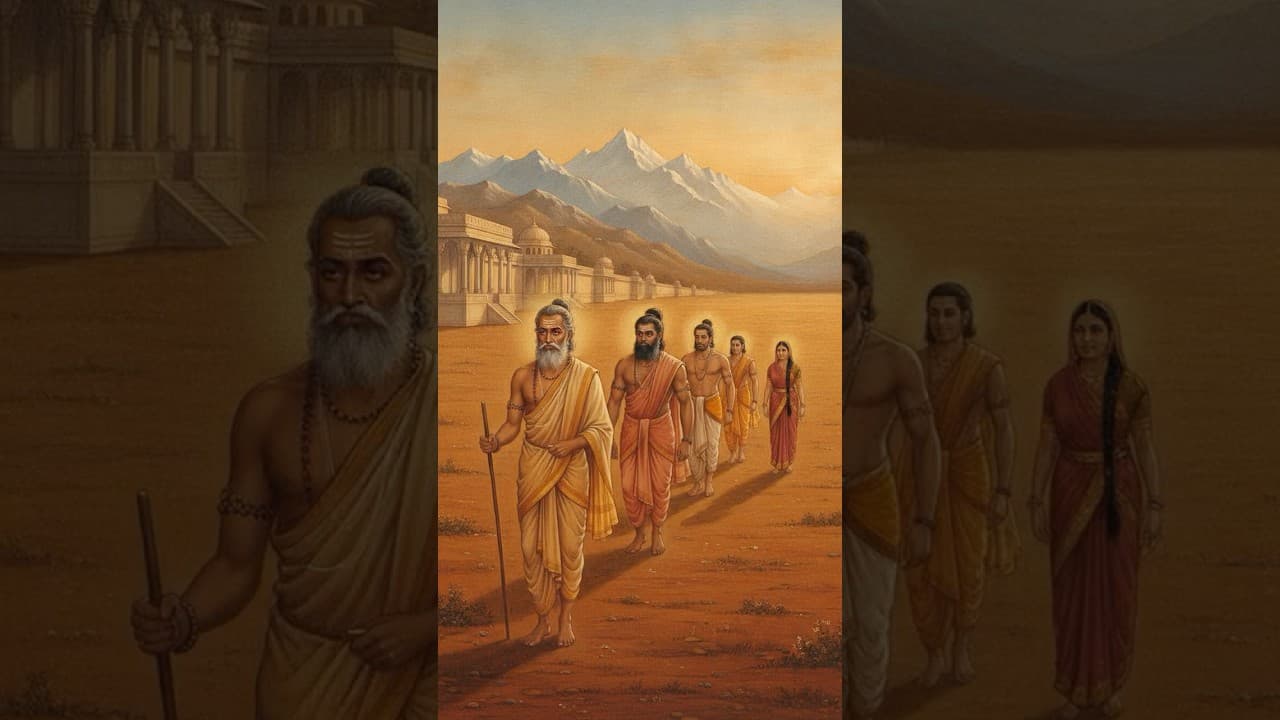
The Pandavas' Last Journey — He Gave Up Heaven for a Stray Dog
One by one, the five brothers who won the greatest war in history fell on the road to heaven. Only Yudhishthira reached the gate — and refused to enter without the dog beside him.
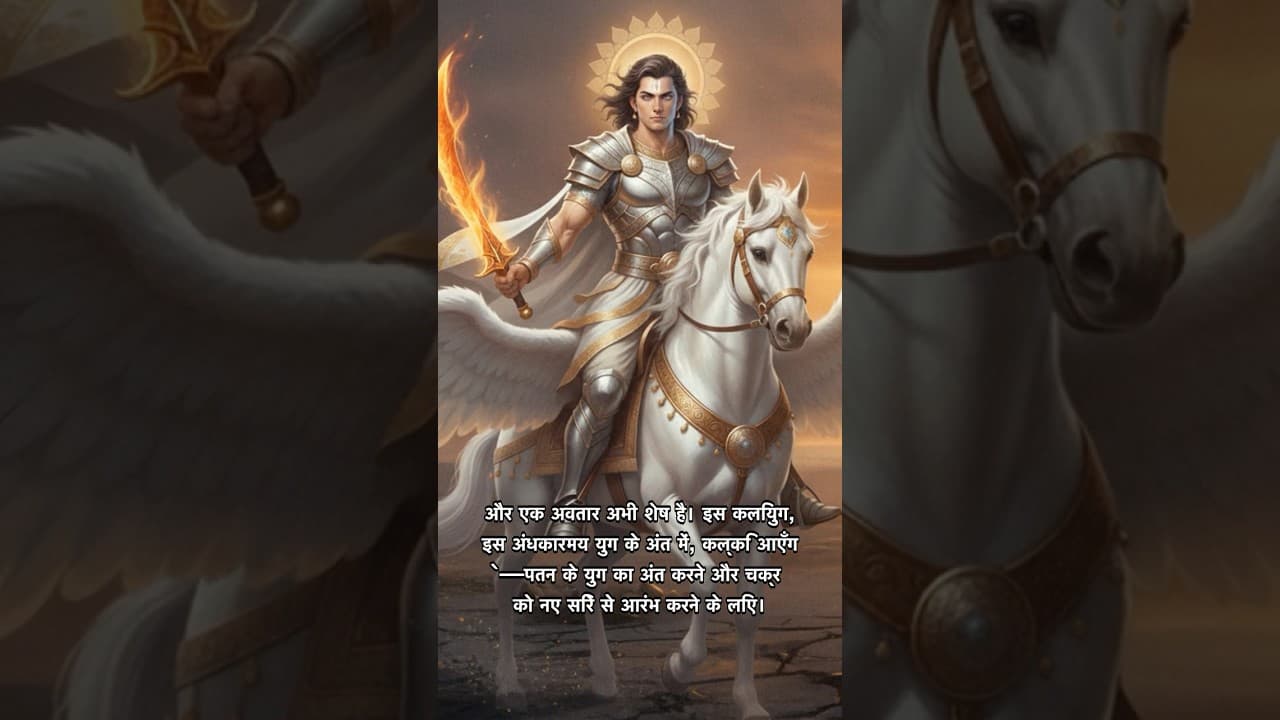
Dashavatar — The Ten Descents of Vishnu
Whenever the world tilts too far from dharma, the preserver of the universe takes form and walks among us. Ten times, across every age, he has come.
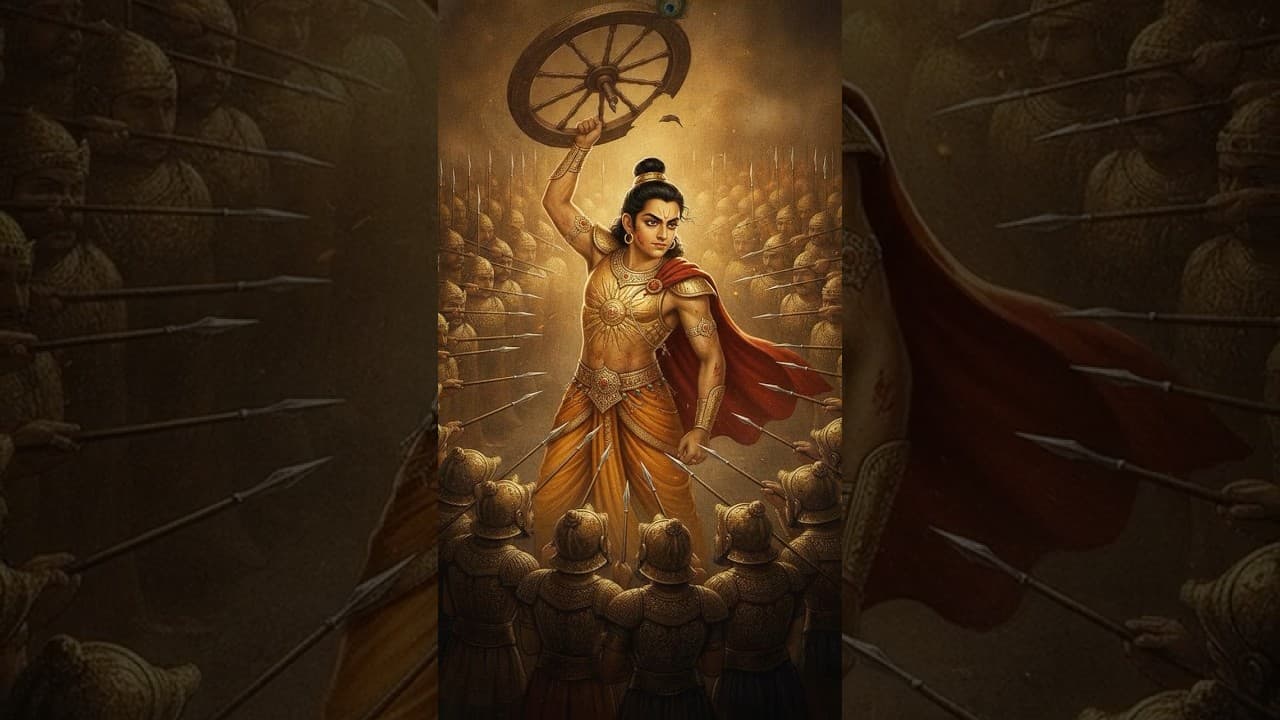
Abhimanyu — The Boy Who Learned Half the Secret in the Womb
He heard the way into the deadliest battle formation ever devised while still unborn — but his mother fell asleep before the way out was told. On the thirteenth day of Kurukshetra, a sixteen-year-old walked into that trap knowingly, alone.
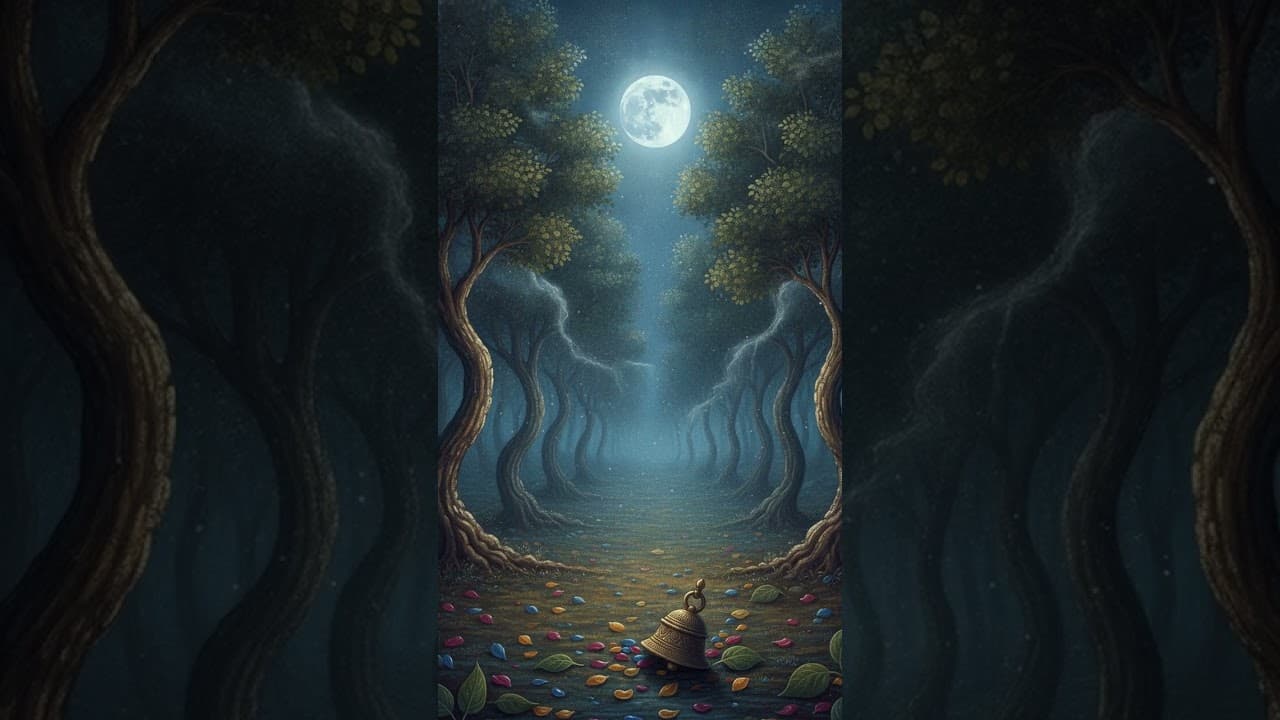
Nidhivan — The Forest That Must Be Empty by Nightfall
Every evening, the gates of a small forest in Vrindavan are locked from the outside. Even the monkeys leave. Because after dark, they say, Krishna still dances here — and no one who watches survives with their senses.
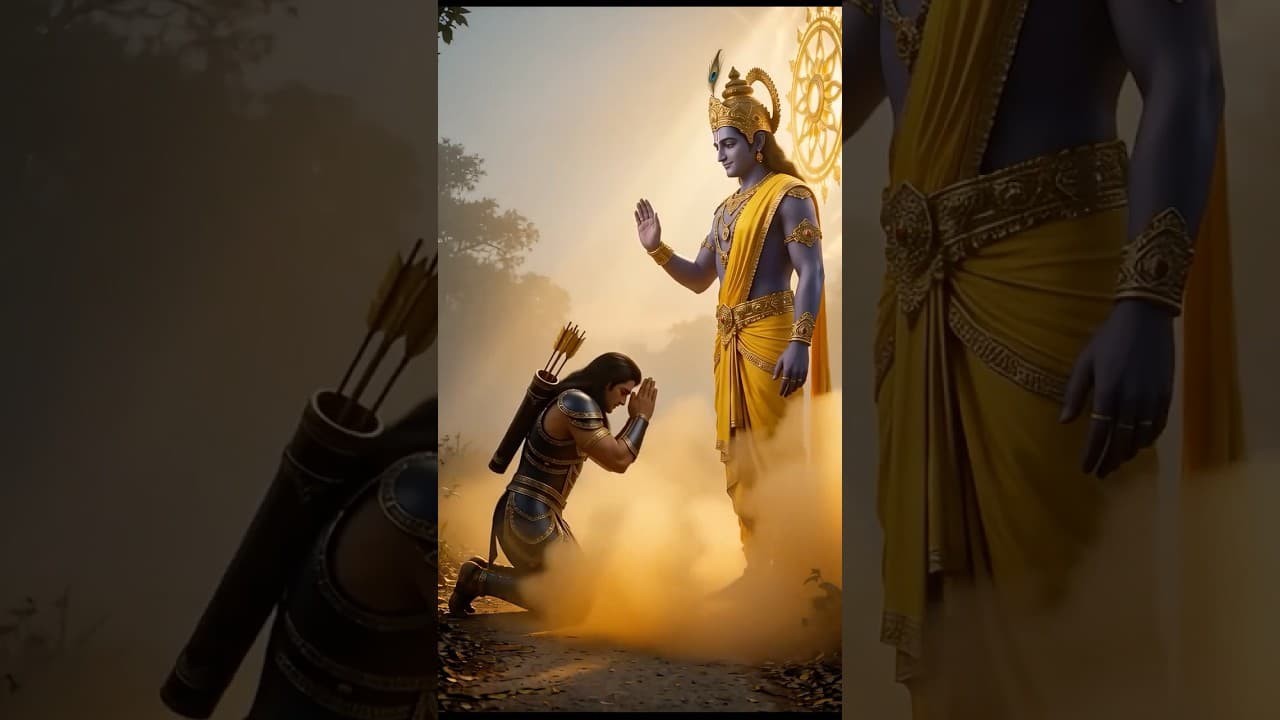
Barbarik — The Warrior Who Could End the War in One Minute
Three arrows. One vow. The grandson of Bhima was powerful enough to finish the Mahabharata war alone — so why did Krishna ask for his head before the first arrow flew?
Mahabharata
···Abhimanyu — The Courage to Enter What You Cannot Yet Escape
He knew how to enter the Chakravyuha. He had never learned how to leave it. He walked in anyway — because courage was never about knowing you'd win.
Karna — The Sun's Son Who Chose Loyalty Over Blood
Born of a boon and abandoned to a river, raised by a charioteer, cursed by his own guru — Karna's entire life was a test of whether greatness needs anyone's permission.
Eklavya — The Thumb Taken as Guru-Dakshina
A tribal boy turned away from Dronacharya's gate taught himself archery before a clay idol — and became greater than Arjuna. Then his guru asked for the one thing that would end it all.
The Pandavas' Last Journey — He Gave Up Heaven for a Stray Dog
One by one, the five brothers who won the greatest war in history fell on the road to heaven. Only Yudhishthira reached the gate — and refused to enter without the dog beside him.
Abhimanyu — The Boy Who Learned Half the Secret in the Womb
He heard the way into the deadliest battle formation ever devised while still unborn — but his mother fell asleep before the way out was told. On the thirteenth day of Kurukshetra, a sixteen-year-old walked into that trap knowingly, alone.
Barbarik — The Warrior Who Could End the War in One Minute
Three arrows. One vow. The grandson of Bhima was powerful enough to finish the Mahabharata war alone — so why did Krishna ask for his head before the first arrow flew?
Ramayana
···Puranas
···The Rakhi That Freed Vishnu — Lakshmi and King Bali
Bali kept his word so perfectly that Vishnu himself agreed to stand guard at his door — and would not come home. It took a goddess in disguise, and a single thread tied on a stranger's wrist, to bring him back.
Why Mahadev Lives in the Cremation Ground
Every other god was given a palace. Shiva chose the one place the entire world runs away from — and made it the seat of the highest knowledge there is.
Neelkanth — The Night Mahadev Drank the Poison
The devas and the asuras churned the ocean for the nectar of immortality, and the first thing it gave them was death. Only one being in all of creation stepped forward to swallow it — and held it in his throat forever.
Dashavatar — The Ten Descents of Vishnu
Whenever the world tilts too far from dharma, the preserver of the universe takes form and walks among us. Ten times, across every age, he has come.
Krishna Leela
···Maiya, Maine Nahi Khaya — The Little Krishna Who Could Not Be Caught
The butter was stolen, the friends were still laughing, and Mother Yashoda was already at the door. Caught with the evidence on his own face, Kanha did the only thing a small god could do — he pointed at the monkeys.
Balgopal — The Little Butter Thief
A mischievous smile, hands sticky with butter, and eyes holding all the world's innocence — the small thefts of baby Krishna were never really about the makhan at all.
What Happened to Radha After Krishna Left
He rode away to Mathura and never came back to Vrindavan. Tradition says Radha spent the rest of her life waiting — and that the two were only ever truly reunited in her final breath.
Why Krishna Never Married Radha
If Radha loved Krishna more than anyone ever has, why did he leave for Mathura and marry Rukmini instead? The answer bhakti tradition gives isn't a tragedy — it's the point.
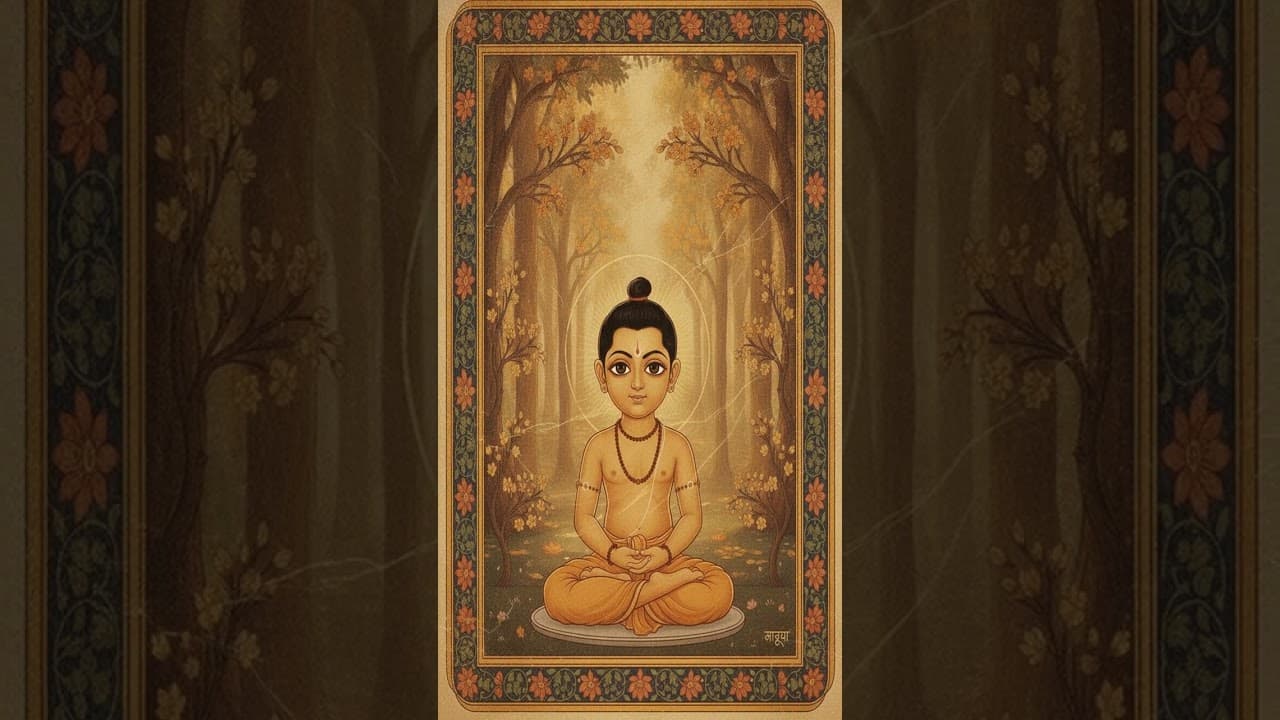
Madhuvan — The Forest Older Than Mathura Itself
Before Mathura had a name, there was a forest of honey. A five-year-old prince stood here on one leg until the heavens trembled, a demon fell here to Ram's youngest brother — and ages later, Krishna grazed his cows over the same sacred ground.
Nidhivan — The Forest That Must Be Empty by Nightfall
Every evening, the gates of a small forest in Vrindavan are locked from the outside. Even the monkeys leave. Because after dark, they say, Krishna still dances here — and no one who watches survives with their senses.
— Bhagavad Gita 4.7यदा यदा हि धर्मस्य ग्लानिर्भवति भारत। अभ्युत्थानमधर्मस्य तदात्मानं सृजाम्यहम्॥
Whenever dharma declines and adharma rises, O Bharata, then I manifest myself.
Partnerships
Have a Brand Story to Tell?
We collaborate with brands that align with our audience and storytelling philosophy.