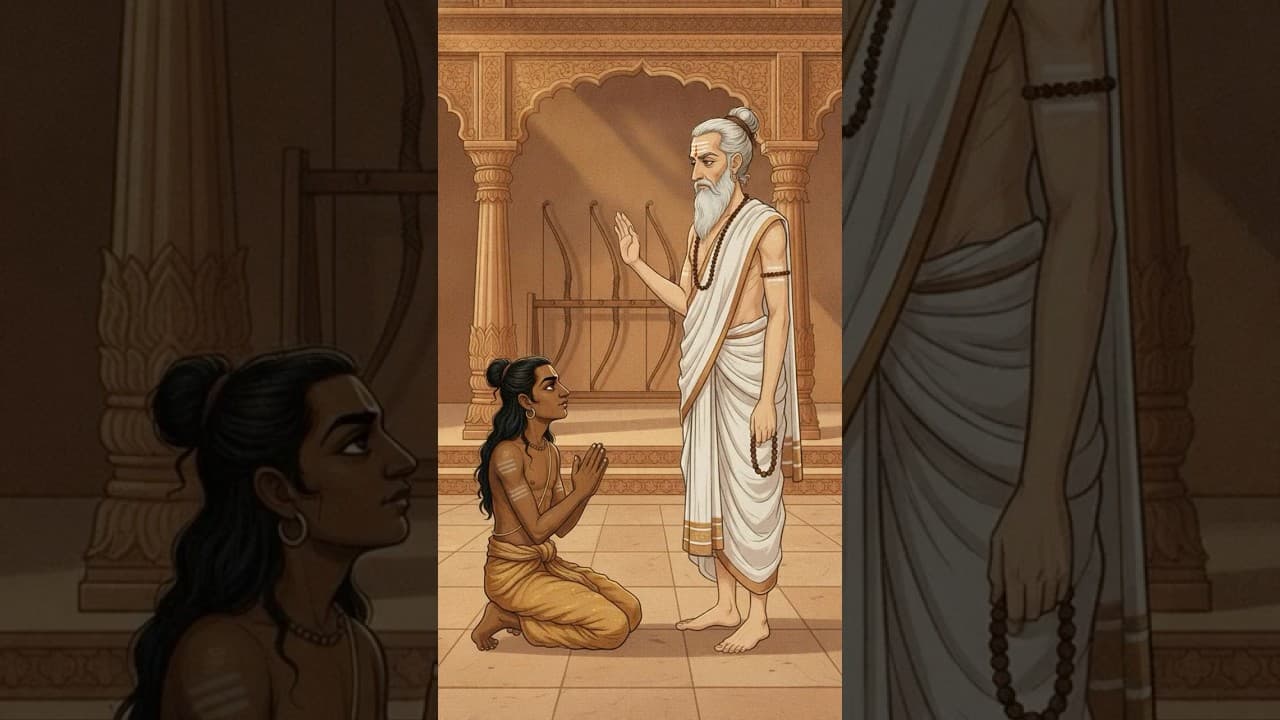
Eklavya — The Thumb Taken as Guru-Dakshina
Eklavya asked Dronacharya for one thing: to be taught. He was a Nishada — a forest-dwelling tribal prince — and Dronacharya turned him away at the gate without a second thought. His students would be princes of standing, and none else.
A Guru Made of Clay
Eklavya did not protest, and he did not give up on archery. He returned to the forest, shaped a clay likeness of Dronacharya with his own hands, and practiced before it every single day — bowing to it as a living guru, disciplining himself with no one to correct his form, no one to praise his progress. Whatever he became, he would become alone.
Greater Than the Prince He Was Denied Beside
Years passed before anyone discovered what he'd built. Dronacharya's royal pupils found him in the forest silencing a barking dog with seven arrows loosed in perfect succession — not one drawing blood. When Arjuna, who had been promised he would have no equal, heard of it, he confronted his guru: a boy Dronacharya had never taught had surpassed every prince he had.
The Guru-Dakshina
Dronacharya sought Eklavya out in the forest and, as any teacher may, asked for his guru-dakshina. Eklavya — overjoyed that the man he had worshipped in silence for years had finally spoken to him — offered anything at all. Dronacharya asked for his right thumb.
Eklavya cut it off without a moment's hesitation and placed it in his guru's hands, the same way he had once placed his devotion before a lump of clay. He asked for nothing back — not fairness, not acknowledgment, not even the archery he had just given away forever.
This is Mahabharata's most argued-over story — genius offered up, without protest, to the demands of birth and power.
Related Stories
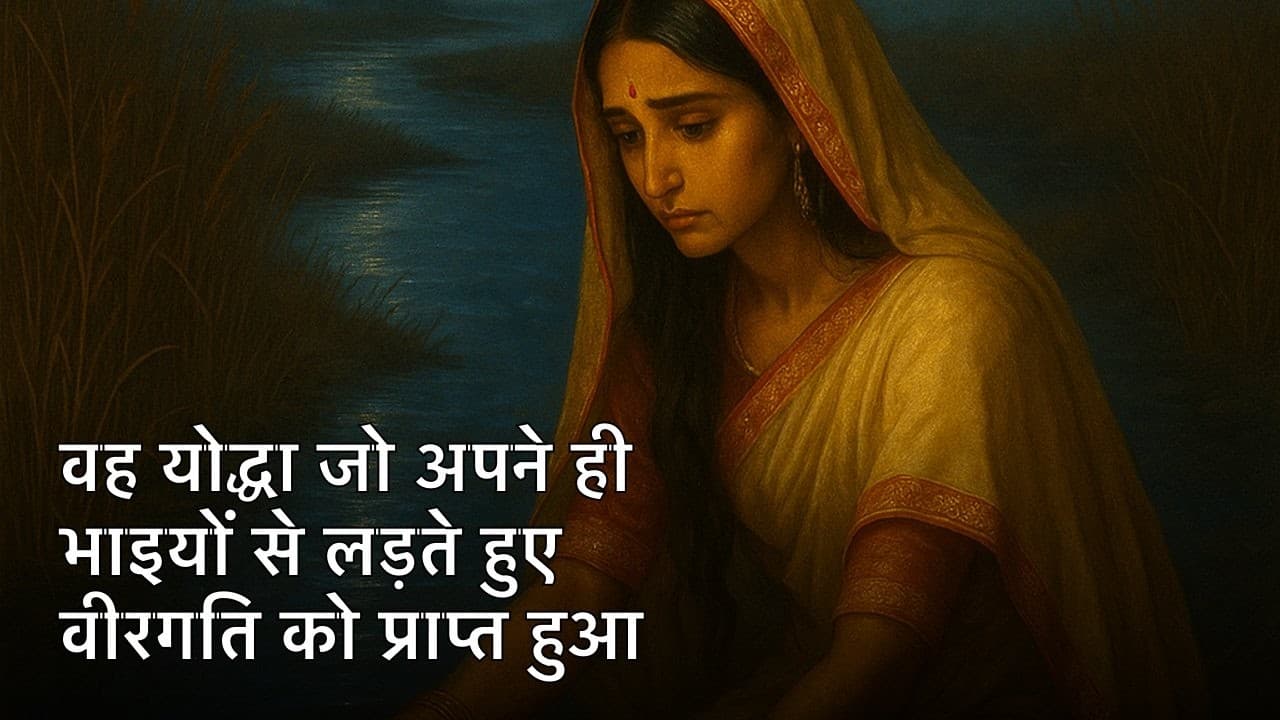
Karna — The Sun's Son Who Chose Loyalty Over Blood
Born of a boon and abandoned to a river, raised by a charioteer, cursed by his own guru — Karna's entire life was a test of whether greatness needs anyone's permission.
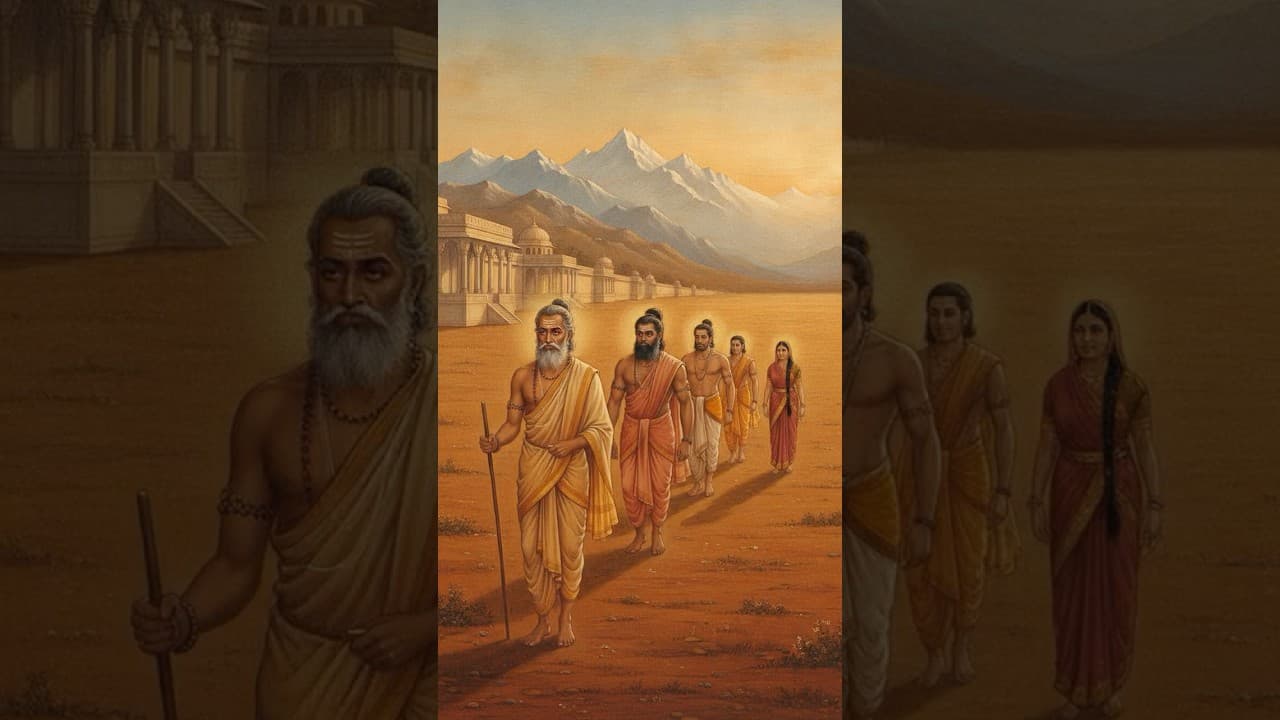
The Pandavas' Last Journey — He Gave Up Heaven for a Stray Dog
One by one, the five brothers who won the greatest war in history fell on the road to heaven. Only Yudhishthira reached the gate — and refused to enter without the dog beside him.
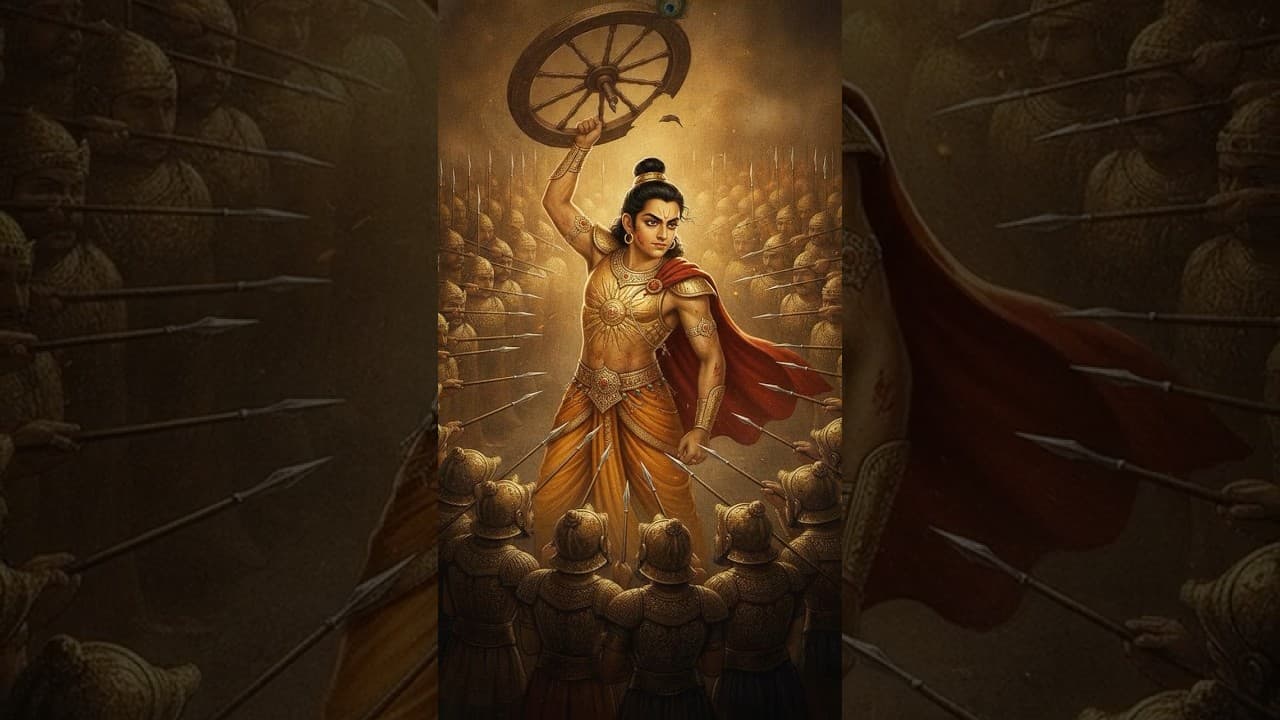
Abhimanyu — The Boy Who Learned Half the Secret in the Womb
He heard the way into the deadliest battle formation ever devised while still unborn — but his mother fell asleep before the way out was told. On the thirteenth day of Kurukshetra, a sixteen-year-old walked into that trap knowingly, alone.
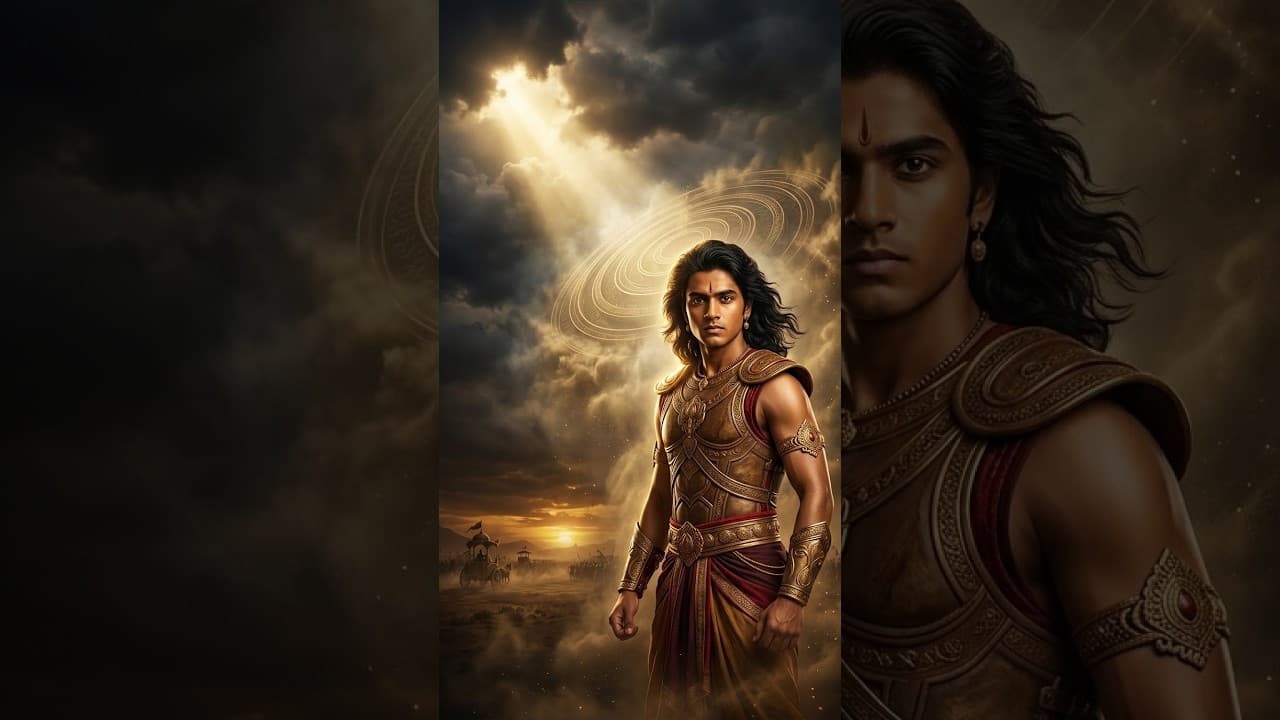
Abhimanyu — The Courage to Enter What You Cannot Yet Escape
He knew how to enter the Chakravyuha. He had never learned how to leave it. He walked in anyway — because courage was never about knowing you'd win.
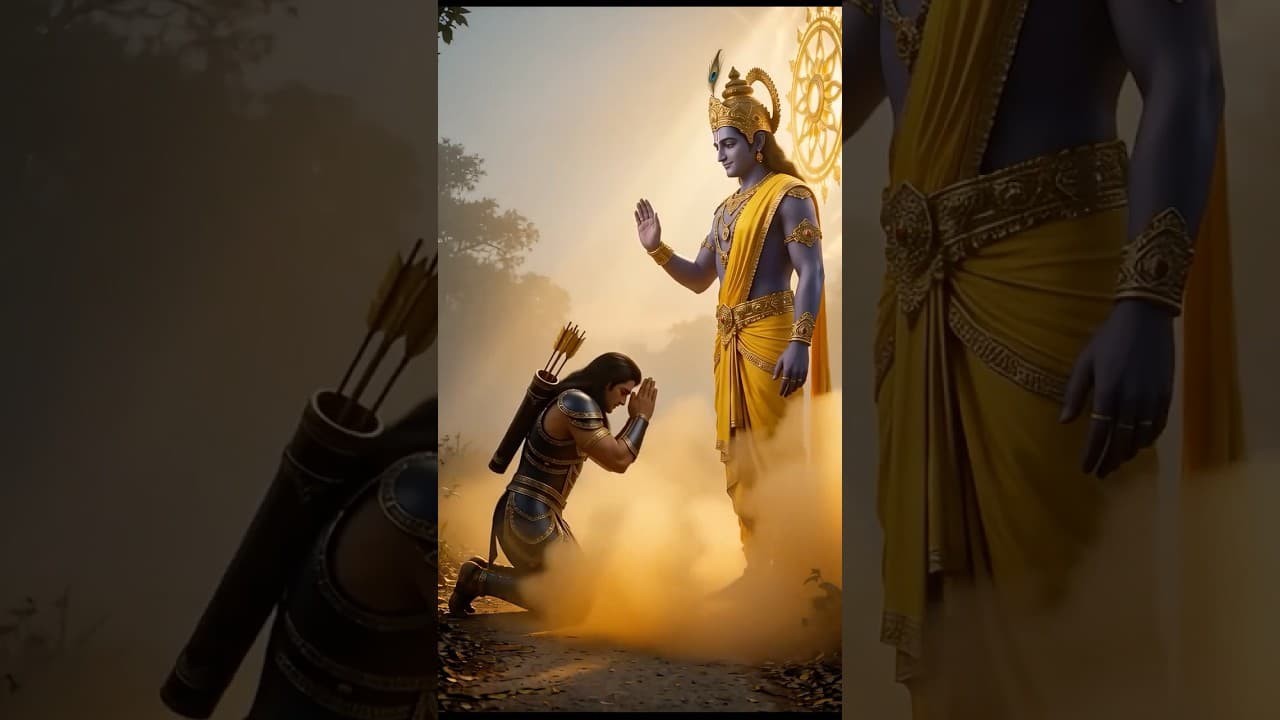
Barbarik — The Warrior Who Could End the War in One Minute
Three arrows. One vow. The grandson of Bhima was powerful enough to finish the Mahabharata war alone — so why did Krishna ask for his head before the first arrow flew?
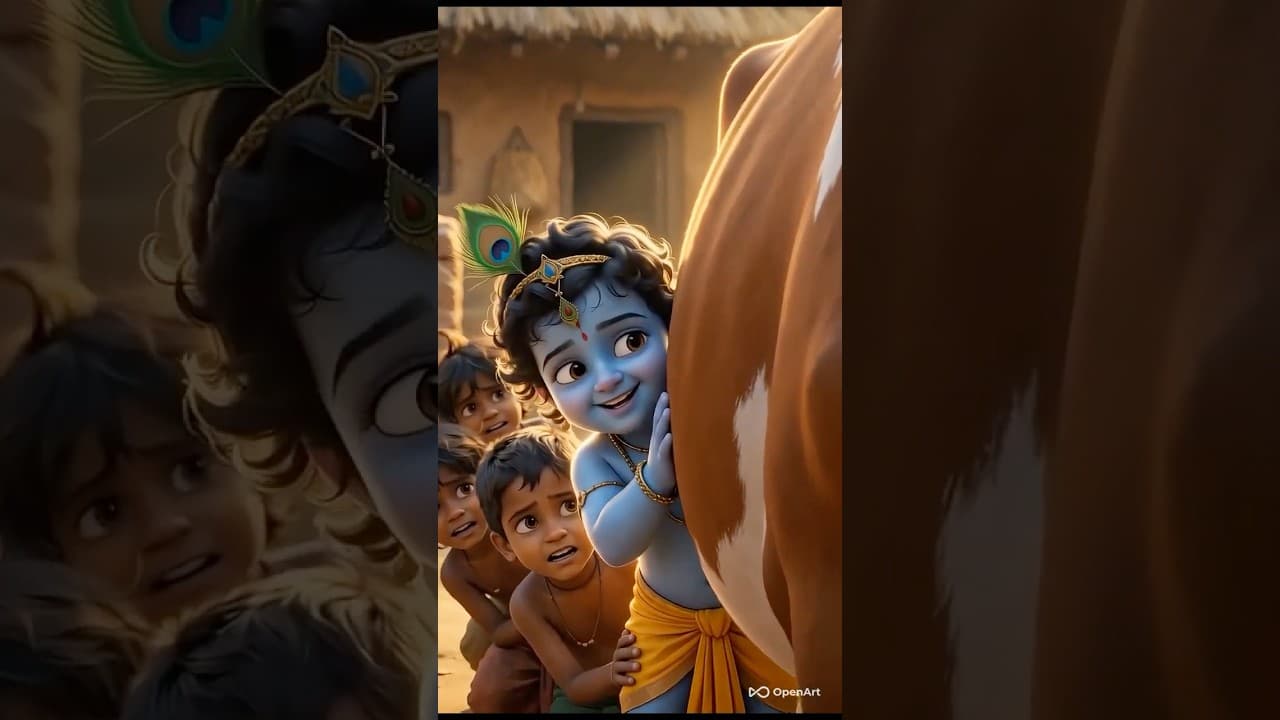
Maiya, Maine Nahi Khaya — The Little Krishna Who Could Not Be Caught
The butter was stolen, the friends were still laughing, and Mother Yashoda was already at the door. Caught with the evidence on his own face, Kanha did the only thing a small god could do — he pointed at the monkeys.